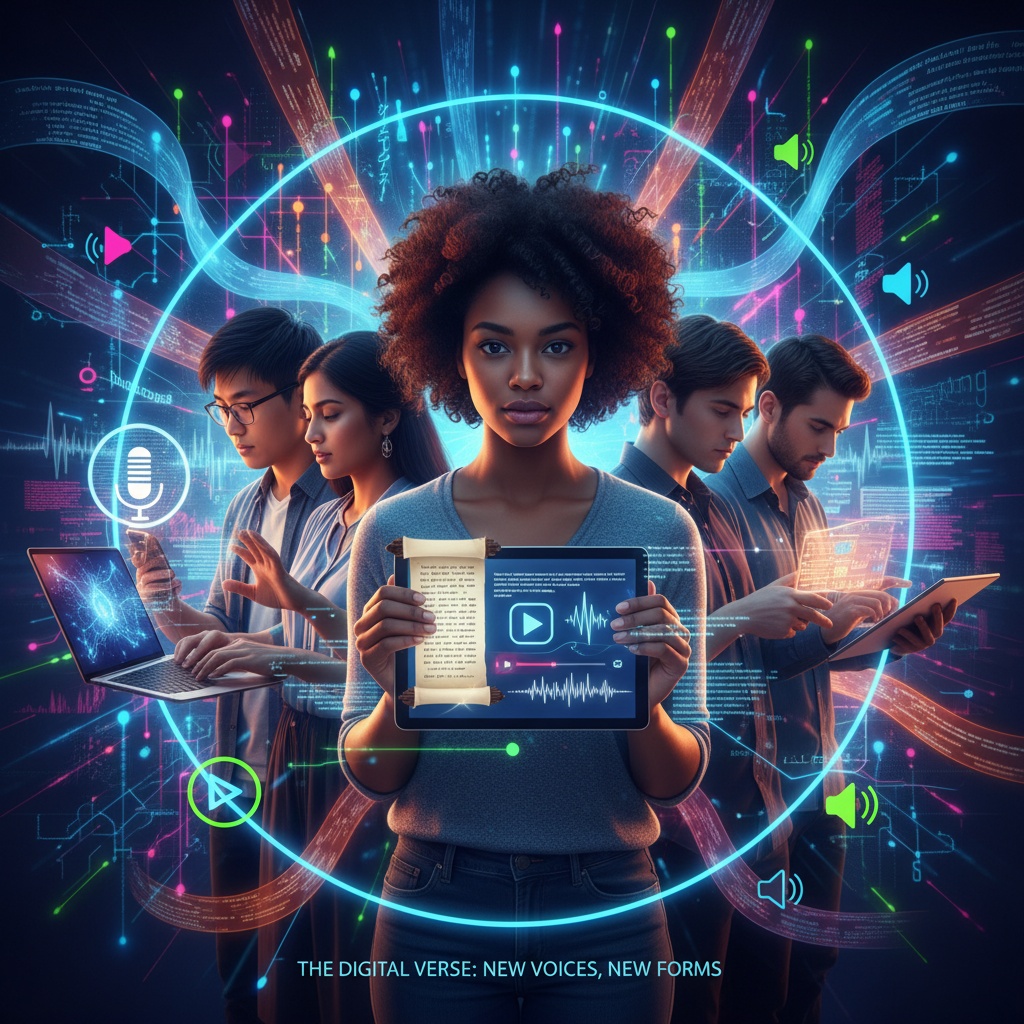
The rise of the poets of the digital age: how technology is shaping modern storytelling
In today’s fast-evolving digital landscape, the art of storytelling has undergone a remarkable transformation. The rise of poets in the digital age highlights how technology is not just a tool but a powerful medium that is reshaping how stories and emotions are conveyed. From social media platforms to interactive apps, digital innovation has expanded the boundaries of traditional poetry and narrative forms. This evolution allows poets to reach broader audiences, experiment with multimedia elements, and invite interactive engagement. By exploring the intersection of technology and poetry, we can understand how modern storytelling is becoming more dynamic, accessible, and deeply impactful in connecting people and ideas.
the transformation of poetic expression in the digital era
Poetry has traditionally been confined to printed books or spoken word performances, but technology has disrupted these limitations. Digital platforms have introduced innovative formats such as visual poetry, spoken word videos, and even algorithm-generated verses. These new forms allow poets to engage senses beyond just the written word, incorporating sound, visuals, and movement.
For example, Instagram and TikTok have become popular stages for digital poets to share short, impactful poems combined with striking imagery or performance. These platforms emphasize brevity and emotional resonance, catering to attention spans shaped by fast digital consumption. As a result, younger audiences are discovering and interacting with poetry more than ever before.
interactive storytelling and audience engagement
One powerful shift brought by technology is the ability for poets and storytellers to create interactive experiences. Unlike traditional forms which are typically one-way, today’s digital storytellers invite audiences to participate, reinterpret, and even co-create content.
social media as a collaborative space
Social media enables poets to get instant feedback, spark conversations, and build communities around their work. Hashtags and poetry challenges foster a collective atmosphere where creativity is shared and amplified. This collaboration blurs the line between creator and consumer, expanding the narrative beyond a single perspective.
multimedia integration for immersive experiences
Poets can now blend video, audio, and graphics to create layered storytelling experiences. Interactive ebooks and apps allow readers to explore nonlinear narratives, engaging multiple senses for a deeper connection. This use of technology enriches content, enabling storytellers to experiment with pacing, mood, and tone in innovative ways.
the role of artificial intelligence in modern poetry
Artificial intelligence (AI) has emerged as a groundbreaking force in creative writing. AI-powered tools can generate poems, suggest edits, or help overcome writer’s block. While some fear AI might replace human creativity, many poets embrace it as a collaborative partner in the creative process.
AI algorithms analyze poetic structures and styles, enabling them to produce original verses or remix classical poetry. This technology inspires new ideas and unlocks unexplored thematic directions. Moreover, AI tools democratize access to poetry craft by offering writing assistance to novices and professionals alike.
the cultural implications of digital-age poetry
The democratization of storytelling through digital technology helps amplify diverse voices that were historically marginalized. Poets from different backgrounds use digital platforms to share personal experiences, social critiques, and cultural narratives that broaden literary canons.
This inclusivity fosters greater cultural understanding and dialogue. Additionally, the immediacy and global reach of digital storytelling empower poets to influence social movements and raise awareness about pressing issues in real time, making poetry a catalyst for change in the digital age.
challenges and future directions
Despite the exciting possibilities, digital poetry faces challenges such as digital overload, intellectual property concerns, and the fleeting nature of online content. Maintaining quality and depth in a fast-paced environment is a constant struggle for creators.
Looking forward, emerging technologies like augmented reality (AR) and virtual reality (VR) promise to take storytelling even further, merging physical and digital experiences. As technology evolves, poets of the digital age will continue pushing creative boundaries, redefining how stories are told and felt.
conclusion
The rise of digital-age poets marks a transformative moment in the history of storytelling. Technology has expanded poetic expression, facilitated rich interaction between creators and audiences, and introduced powerful new tools such as AI. These developments have not only increased accessibility and inclusivity but have also pushed the art form into exciting new territories. While challenges remain, the blending of technology and poetry opens up limitless potential for innovation and cultural impact. As readers and creators, embracing this digital evolution can deepen our appreciation of storytelling’s timeless power in a rapidly changing world.
alternative blog titles
- The rise of digital poets: technology’s impact on modern storytelling
- How technology is reshaping poetry in the digital age
- Modern storytelling redefined: the poets leading the digital revolution
frequently asked questions (faqs)
- How has technology changed poetry?
Technology allows poets to use multimedia, interact with audiences, and publish work instantly, transforming traditional poetry. - What platforms are popular for digital poetry?
Social media platforms like Instagram, TikTok, and Twitter are widely used for sharing and discovering digital poetry. - Can artificial intelligence write poetry?
Yes, AI can generate poems by analyzing language patterns, serving as a tool to support human creativity. - Why is digital poetry important culturally?
Digital poetry amplifies diverse voices and enables immediate social engagement, fostering broader cultural conversations. - What future technologies will affect storytelling?
Augmented reality (AR), virtual reality (VR), and advanced AI are expected to further revolutionize storytelling experiences.
suggested internal linking opportunities
- Benefits of digital marketing for poets
- How social media changed modern literature
- Using AI tools for content creation
- Interactive storytelling trends in 2024
Leave a Reply