Category: n8n

  • Blog Post Idea: Exploring the Importance of Sustainable Agriculture and Food Production Title: “The Big Apple Effect: How Sustainable Agriculture Can Feed Communities and Nourish Lives”

    The Big Apple Effect: How Sustainable Agriculture Can Feed Communities and Nourish Lives

    In today’s rapidly changing world, where climate change, dwindling natural resources, and growing food insecurity threaten communities globally, sustainable agriculture shines as a vital solution. The way we cultivate our food has a profound impact—not only on the environment but also on our economies and social well-being. Sustainable agriculture promotes farming methods that protect natural resources, preserve biodiversity, and foster resilient ecosystems.

    Inspired by transformative urban agriculture initiatives in places like New York City—often dubbed “The Big Apple”—this blog post delves into how sustainable agriculture can revolutionize food production, especially within communities. From rooftop gardens and hydroponic farms in the city to rural soil conservation techniques, sustainable agriculture creates a powerful ripple effect that nourishes lives and builds stronger local economies.

    How exactly does sustainable agriculture differ from traditional farming? What role does urban farming play in feeding densely populated areas? And how can these methods help combat environmental degradation while uplifting communities economically and socially? We’ll answer these questions and more, giving you actionable insights to understand why sustainable agriculture isn’t just a trend—it’s an essential step toward a healthier and more equitable future.

    Understanding Sustainable Agriculture

    Sustainable agriculture is rooted in the idea of meeting today’s food needs without compromising the ability of future generations to do the same. Unlike conventional farming, which often depletes resources and harms ecosystems with intensive chemical use and monocropping, sustainable agriculture employs holistic practices designed to maintain balance with nature.

    Key Principles of Sustainable Agriculture

    • Conservation of resources: Using water, energy, and soil efficiently to minimize waste and degradation.
    • Maintaining biodiversity: Encouraging diverse crops and animals to improve resilience and ecosystem health.
    • Soil health management: Utilizing crop rotation, organic fertilizers, and reduced tillage to enrich and protect soil structure.

    How It Differs from Conventional Agriculture

    Conventional farming often prioritizes high yields through synthetic fertilizers, pesticides, and large-scale monocultures. While this approach can increase short-term production, it adversely impacts soil fertility, pollinator populations, and water quality. Sustainable agriculture minimizes these environmental impacts by prioritizing natural processes and resource renewal, thus reducing carbon emissions and conserving biodiversity.

    Global Success Stories

    • India’s zero-budget natural farming movement has helped smallholders reduce input costs while boosting yields.
    • Agroforestry programs in Costa Rica integrate trees on farms to protect biodiversity and sequester carbon.
    • Community-supported agriculture (CSA) in the United States connects consumers directly with local farmers, promoting transparency and freshness.

    These examples showcase how sustainable agriculture adapts to different contexts, proving its versatility and effectiveness worldwide.

    The Role of Urban Farming in Sustainable Food Production

    As more people migrate to cities, urban farming offers an innovative approach to making urban spaces part of the solution rather than the problem. Urban farming refers to growing, processing, and distributing food within city environments, often utilizing unconventional spaces.

    New York City’s Urban Agriculture Initiatives

    New York City has become a leading example of urban agriculture innovation. Projects like rooftop farms, vertical gardens, and community gardens are turning concrete jungles into productive green spaces. The NYC Urban Agriculture Policy Report highlights how these efforts reduce the city’s carbon footprint by minimizing the distance food travels, cutting down on fossil fuel consumption and food waste.

    Benefits Beyond Food Production

    • Reduced food miles: Food grown locally reduces transportation emissions and spoilage.
    • Local employment: Urban farms create jobs and entrepreneurial opportunities.
    • Fresh food access: Improves food security, especially in urban food deserts.

    Cutting-Edge Technologies Driving Urban Agriculture

    Technologies such as hydroponics (soil-less growing), aquaponics (combining fish farming with plants), and rooftop gardening allow cities to maximize limited space and resources. These innovations not only increase yields but also use up to 90% less water compared to traditional farming, showcasing how technology and sustainability align in urban settings.

    Economic Impacts of Sustainable Agriculture

    Sustainable agriculture’s benefits extend well beyond environmental stewardship—it also plays a critical role in nurturing local economies and fostering food sovereignty.

    Boosting Local Economies

    • Job creation: Sustainable farms often require more labor for practices like crop diversity and manual soil maintenance, creating employment in rural and urban communities alike.
    • Supporting local markets: Farmers selling directly to consumers through farmers’ markets or CSAs retain more profit, circulating money within the community.

    Reducing Poverty and Enhancing Food Security

    By empowering smallholder farmers with sustainable tools and training, communities can reduce dependency on volatile markets while improving access to nutritious food. This creates a buffer against economic shocks and improves the resilience of food systems.

    Economic Challenges & Solutions

    • Challenges: Initial investment costs, limited access to credit, and economies of scale can hinder sustainable farming growth.
    • Solutions: Government grants, cooperative farming models, and educational support networks help overcome financial and knowledge barriers.

    Social and Community Benefits

    Sustainable agriculture fosters a sense of community and improves public health in many tangible ways.

    Community Engagement and Education

    Local co-operatives and educational programs create inclusive spaces where residents learn about food production and nutrition. For example, community gardens not only provide fresh produce but become hubs for social interaction and cultural exchange.

    Public Health Improvements

    Access to fresh, nutrient-rich food reduces diet-related illnesses and helps combat obesity, diabetes, and heart disease prevalent in many urban areas. Sustainable agriculture promotes growing a variety of crops, which diversifies and enriches diets.

    Empowering Marginalized Groups

    Sustainable agriculture projects often prioritize inclusion by involving women, indigenous peoples, and low-income communities. This empowerment through land access, skill-building, and leadership helps drive social equity and food justice.

    Environmental Advantages of Sustainable Agriculture

    The core of sustainable agriculture is its positive relationship with the environment, making it key to combating ecological crises.

    Carbon Footprint Reduction

    Sustainable farming techniques such as agroforestry, cover crops, and organic amendments store carbon in soils and plants, effectively mitigating greenhouse gas emissions. Water-saving practices also reduce resource strain and pollution.

    Preservation of Biodiversity and Ecosystems

    By avoiding monocultures and harmful chemicals, sustainable farms protect pollinators, beneficial insects, and native plants. This supports balanced ecosystems that provide crucial services like pest control and nutrient cycling.

    Building Climate Resilience

    Practices like crop diversification and improved soil health create resilience against droughts, floods, and extreme weather events, helping farmers adapt to an unpredictable climate.

    Barriers to Implementation and How to Overcome Them

    Despite its promise, sustainable agriculture faces several obstacles that slow widespread adoption.

    Financial and Policy Challenges

    • Securing investment: Transitioning to sustainable methods requires upfront costs, which can be prohibitive without subsidies or low-interest loans.
    • Government support: Many policies favor conventional farming. Reforming subsidy structures to reward sustainable outcomes is essential.

    Knowledge and Technology Gaps

    Small-scale farmers may lack access to training, resources, or technology needed for adopting new sustainable practices. Expanding extension services and community-based training programs can bridge this gap.

    Policy Recommendations

    • Implement incentives for sustainable practices.
    • Increase funding for research and farmer education.
    • Integrate sustainable agriculture into national food security strategies.

    Frequently Asked Questions

    What is sustainable agriculture, and why is it important?

    Sustainable agriculture is a farming approach that balances the need for food production with the preservation of environmental health, economic profitability, and social equity. It’s important because it ensures long-term food security while protecting natural resources and supporting communities.

    How does urban farming contribute to sustainability?

    Urban farming reduces the distance food travels, which lowers carbon emissions and food waste. It also creates green spaces, provides fresh produce to urban populations, and offers employment opportunities, enhancing sustainability in cities.

    What are the economic benefits of sustainable agriculture?

    Sustainable agriculture stimulates local economies by creating jobs, supporting local markets, and reducing poverty through improved food security and resilience against market volatility.

    Can sustainable agriculture help combat climate change?

    Yes. Sustainable practices like soil carbon sequestration, agroforestry, and water conservation reduce greenhouse gas emissions and increase the resilience of farming communities to climate-related stresses.

    What are the common challenges in adopting sustainable agriculture practices?

    Common challenges include high initial costs, lack of access to technology and knowledge, and policies that favor conventional farming methods. Addressing these through education, financial support, and policy reform is crucial.

    Conclusion

    Sustainable agriculture is far more than a passing trend—it represents a vital transformation in how we produce our food to sustain both people and the planet. Through embracing sustainable farming principles, communities can enjoy cleaner environments, stronger local economies, and healthier lives. Urban farming innovations, like those thriving in New York City, exemplify this potential by harnessing limited space and resources to grow food sustainably in dense, populous areas.

    Despite barriers such as financial costs and policy challenges, solutions rooted in education, community engagement, and supportive regulations can accelerate the adoption of sustainable agriculture worldwide. By making conscious choices in food production and consumption, each of us can contribute to a resilient, equitable food system that nourishes lives now and for generations to come.

    Start your sustainable journey today by supporting local farms, advocating for green policies, or even starting a small urban garden. Together, the Big Apple Effect can be replicated globally to feed communities and nourish lives everywhere.

    Sources:

  • Why Tracking Website Calls is Essential for Boosting Your Business Growth and ROI

    Why Tracking Website Calls is Essential for Boosting Your Business Growth and ROI

    Why tracking website calls is essential for boosting your business growth and ROI

    In today’s digital-driven market, understanding how your customers interact with your business is more important than ever. While many focus on online metrics like page views and click-through rates, website calls remain a crucial yet often overlooked channel. Tracking these calls helps businesses gain deeper insights into customer behavior and the effectiveness of marketing campaigns. By monitoring website calls, you can optimize marketing strategies, improve customer service, and ultimately increase your return on investment (ROI). In this article, we will explore why website call tracking is essential for business growth and how it can transform your approach to marketing and customer engagement.

    Understanding the importance of website call tracking

    Website call tracking bridges the gap between online engagement and offline customer interactions. Calls generated from your website can significantly influence purchase decisions, especially for service-based industries where direct conversations build trust and clarify customer needs.

    Tracking calls enables businesses to attribute phone leads to specific marketing efforts, such as paid ads, SEO, social media, or email campaigns. This data reveals which channels drive the highest-quality leads, helping allocate budgets more effectively. Without call tracking, it’s challenging to measure the complete customer journey, often leading to guesswork in strategy decisions.

    Enhancing marketing performance with call insights

    Effective marketing relies on accurate data. Call tracking provides valuable insights that convert phone call data into actionable intelligence.

    Attributing calls to specific campaigns

    Using dynamic number insertion, businesses can assign unique phone numbers to different campaigns or landing pages. This helps identify which ads, keywords, or content pieces lead to phone inquiries.

    Measuring lead quality and conversion rates

    Not all calls are equal. Call tracking software often includes call recording and analytics features that allow differentiation between sales-qualified leads and general inquiries. This distinction improves ROI measurement beyond just counting call volume.

    Optimizing ad spend

    By knowing which campaigns generate valuable calls, marketers can reduce wasted spend on underperforming channels and shift budgets toward high-converting sources, maximizing overall growth potential.

    Improving customer experience and satisfaction

    Website call tracking is not just about marketing; it plays a critical role in enhancing customer experience.

    Analyzing caller behavior

    Call recordings and analytics provide insights into caller intent, common questions, and pain points. This data allows businesses to train customer service teams better and streamline responses.

    Reducing response time

    By tracking call patterns, businesses can anticipate peak times and allocate resources accordingly, reducing wait times and increasing customer satisfaction.

    Personalizing outreach

    Call tracking data can be integrated with CRM systems to create detailed customer profiles. This personalized approach improves follow-ups and builds stronger relationships.

    Boosting ROI with data-driven decision making

    Return on investment is ultimately about generating measurable profits from marketing efforts. Website call tracking enables data-driven decisions that directly impact ROI.

    Identifying the most profitable customer segments

    Analyzing call data alongside sales results helps pinpoint which customer demographics or regions yield the highest returns, guiding targeted marketing efforts.

    Refining sales strategies

    Sales teams can leverage call insights to adjust their scripts, address objections more effectively, and close deals faster, improving overall conversion rates.

    Continuous campaign optimization

    Regular analysis of call data allows businesses to adapt marketing strategies dynamically, ensuring sustained revenue growth and efficient resource utilization.

    Implementing website call tracking: best practices

    To maximize the benefits, it’s important to implement call tracking effectively.

    Choose the right call tracking software

    Look for solutions offering dynamic number insertion, detailed analytics, call recording, and CRM integration.

    Integrate with existing marketing tools

    Seamless integration with Google Analytics, CRM systems, and advertising platforms ensures holistic data analysis.

    Train your team

    Ensure staff understand the importance of tracking and use the insights to improve customer interactions.

    Regularly analyze and act on data

    Call tracking is most effective when combined with continuous review and strategic adjustments.

    Conclusion

    Tracking website calls is a powerful tool that provides a clearer picture of how customers engage with your business. By capturing and analyzing phone interactions, companies can attribute leads accurately, refine marketing strategies, enhance customer experiences, and ultimately boost ROI. In a competitive environment, leveraging call tracking data transforms traditional marketing tactics into precise, results-driven actions. Start integrating call tracking into your marketing efforts today and watch your business grow with smarter, data-backed decisions.

    Alternative blog titles

    • Why website call tracking is crucial for business growth and ROI
    • Boost your ROI: the benefits of tracking calls from your website
    • How tracking website calls drives better marketing results and business growth

    FAQs

    1. What is website call tracking?
      It is the process of monitoring and analyzing phone calls generated through a website to measure marketing effectiveness and improve customer interaction.
    2. How does call tracking improve ROI?
      By attributing calls to specific campaigns and understanding lead quality, businesses can optimize marketing spend and increase conversions.
    3. Can call tracking integrate with CRM systems?
      Yes, many call tracking tools offer CRM integration to provide a complete view of customer interactions.
    4. What types of businesses benefit most from call tracking?
      Service-based industries, e-commerce, healthcare, and any business where phone communication influences sales benefit significantly.
    5. Is call recording part of call tracking?
      Often, call recording is included and provides valuable insights into customer intent and service quality.

    Suggested internal linking opportunities

    Suggested external references

  • Why Kate Bush Deserves the Title of a National Treasure: Exploring Her Enduring Impact on Music and Culture

    Why Kate Bush Deserves the Title of a National Treasure: Exploring Her Enduring Impact on Music and Culture

    Why Kate Bush deserves the title of a national treasure: exploring her enduring impact on music and culture

    Kate Bush stands as one of the most innovative and influential figures in British music history. From her unique vocal style to her imaginative storytelling, Bush has consistently pushed creative boundaries for over four decades. Her ability to blend art rock, pop, and narrative depth has captivated listeners across generations. But her impact extends beyond music, shaping cultural conversations and inspiring countless artists worldwide. In this article, we will explore why Kate Bush deserves the title of a national treasure by examining her groundbreaking career, artistic contributions, influence on music and culture, and the legacy she continues to build.

    breaking new ground: kate bush’s pioneering artistry

    Kate Bush burst onto the music scene at just 19 years old with her 1978 hit Wuthering Heights, showcasing a distinctive voice and a fearless approach to songwriting. Her artistic creativity defied the norms of pop music, incorporating literary themes, theatrical performances, and experimental production. Bush was one of the first female artists to take complete control over her music, writing, producing, and arranging many of her records. This level of autonomy was pioneering at the time, setting a powerful example for women in the music industry.

    Moreover, her albums like The Kick Inside and Hounds of Love display an eclectic blend of genres and complex emotional narratives. Using unconventional instruments and lush arrangements, she expanded what was possible within popular music. Bush’s fearless embrace of vulnerability and eccentricity helped redefine female artistry, challenging expectations and inspiring future generations to embrace individuality.

    an enduring influence on music and artists

    Kate Bush’s influence on music is vast and palpable. Her innovative use of storytelling and rich soundscapes paved the way for artists across genres including Björk, Tori Amos, Florence Welch, and St. Vincent. These musicians cite Bush as a direct inspiration, noting her ability to combine emotional depth with creative experimentation.

    Beyond her direct impact on artists, Bush’s music has been sampled, covered, and referenced in countless works, cementing her status within popular culture. Additionally, her groundbreaking performances—such as the visually stunning Before the Dawn concert series—set new standards for live shows that blend music with theatrical storytelling. By continually pushing artistic limits, Kate Bush remains a beacon of creativity for musicians and fans alike.

    contributions to british culture and the arts

    Kate Bush’s influence extends beyond the music industry into broader cultural spheres. She is widely regarded as a symbol of British innovation and artistic excellence. Her work reflects themes of mythology, literature, and psychology, drawing upon British cultural heritage in a way that resonates on a universal level.

    Additionally, Bush challenges mainstream cultural narratives by addressing topics such as femininity, power, and identity with nuance and depth. Her refusal to conform to commercial pressures has earned her respect not only as an artist but also as a cultural icon who champions artistic integrity and emotional honesty. This cultural impact justifies her standing as a national treasure, contributing to Britain’s rich creative tapestry.

    legacy and lasting relevance in a changing musical landscape

    More than 40 years into her career, Kate Bush’s music remains vital and relevant. Recent events like her return to live performance and reissues of her albums have sparked renewed interest, introducing her work to younger audiences. Digital platforms and social media have further amplified her reach and influence, proving that her artistry continues to transcend time.

    Her dedication to artistic independence and innovation provides an enduring blueprint for artists navigating today’s music industry. By continuously evolving and reinterpreting her creative vision, Kate Bush exemplifies the qualities of a national treasure: timelessness, originality, and cultural significance. Her ongoing legacy demonstrates that true artistry remains impactful across eras, inspiring endless exploration and admiration.

    conclusion

    Kate Bush deserves the title of a national treasure because of her groundbreaking artistry, profound influence on music and culture, and her lasting legacy that continues to inspire artists worldwide. She redefined what it means to be a female musician, combining creativity with autonomy and emotional honesty. Bush’s work extends beyond music into the cultural fabric of Britain, reflecting unique stories and challenging norms. Her ability to remain relevant and innovative speaks to her unparalleled talent and vision. Recognizing Kate Bush as a national treasure is an acknowledgment of her enduring contributions and a celebration of artistic excellence. Fans and newcomers alike should continue to explore her vast and rich catalog, appreciating the genius of this iconic figure.

    alternative blog titles

    • Why Kate Bush is truly a national treasure in music and culture
    • The enduring impact of Kate Bush: a national treasure’s legacy
    • Exploring Kate Bush’s place as one of Britain’s great national treasures

    frequently asked questions (faqs)

    1. Who is Kate Bush?
      Kate Bush is a British singer-songwriter known for her unique voice, storytelling, and pioneering influence on music since the late 1970s.
    2. Why is Kate Bush considered a national treasure?
      Because of her innovative artistry, cultural impact, and lasting influence on British music and culture.
    3. What are some of Kate Bush’s most famous songs?
      Notable songs include Wuthering Heights, Running Up That Hill, and Hounds of Love.
    4. How has Kate Bush influenced other artists?
      Many musicians cite her as inspiration for her creative independence, musical innovation, and emotional storytelling.
    5. Is Kate Bush still active in music?
      Yes, she remains active through reissues, live performances, and inspiring new generations of artists.

    suggested internal linking opportunities

    suggested external references

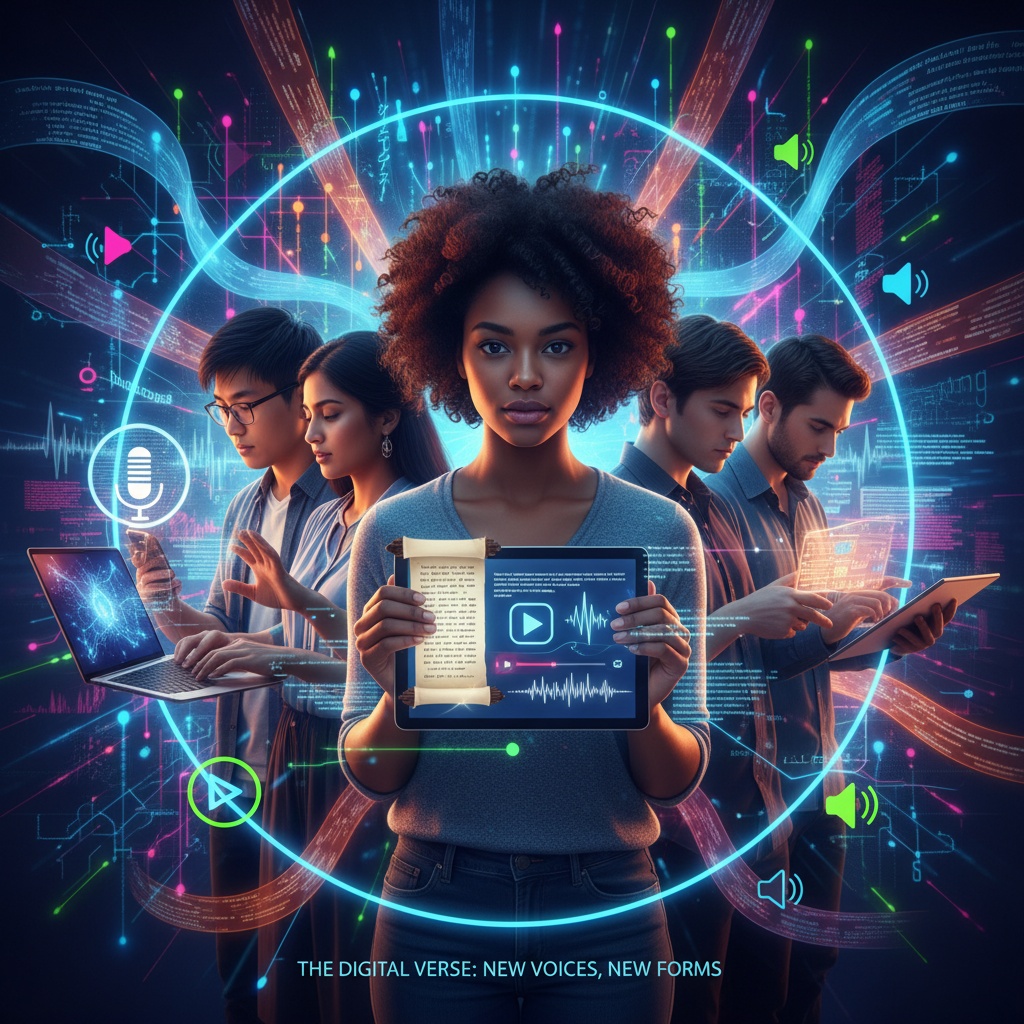
  • The Rise of the Poets of the Digital Age: How Technology is Shaping Modern Storytelling

    The Rise of the Poets of the Digital Age: How Technology is Shaping Modern Storytelling

    The rise of the poets of the digital age: how technology is shaping modern storytelling

    In today’s fast-evolving digital landscape, the art of storytelling has undergone a remarkable transformation. The rise of poets in the digital age highlights how technology is not just a tool but a powerful medium that is reshaping how stories and emotions are conveyed. From social media platforms to interactive apps, digital innovation has expanded the boundaries of traditional poetry and narrative forms. This evolution allows poets to reach broader audiences, experiment with multimedia elements, and invite interactive engagement. By exploring the intersection of technology and poetry, we can understand how modern storytelling is becoming more dynamic, accessible, and deeply impactful in connecting people and ideas.

    the transformation of poetic expression in the digital era

    Poetry has traditionally been confined to printed books or spoken word performances, but technology has disrupted these limitations. Digital platforms have introduced innovative formats such as visual poetry, spoken word videos, and even algorithm-generated verses. These new forms allow poets to engage senses beyond just the written word, incorporating sound, visuals, and movement.

    For example, Instagram and TikTok have become popular stages for digital poets to share short, impactful poems combined with striking imagery or performance. These platforms emphasize brevity and emotional resonance, catering to attention spans shaped by fast digital consumption. As a result, younger audiences are discovering and interacting with poetry more than ever before.

    interactive storytelling and audience engagement

    One powerful shift brought by technology is the ability for poets and storytellers to create interactive experiences. Unlike traditional forms which are typically one-way, today’s digital storytellers invite audiences to participate, reinterpret, and even co-create content.

    social media as a collaborative space

    Social media enables poets to get instant feedback, spark conversations, and build communities around their work. Hashtags and poetry challenges foster a collective atmosphere where creativity is shared and amplified. This collaboration blurs the line between creator and consumer, expanding the narrative beyond a single perspective.

    multimedia integration for immersive experiences

    Poets can now blend video, audio, and graphics to create layered storytelling experiences. Interactive ebooks and apps allow readers to explore nonlinear narratives, engaging multiple senses for a deeper connection. This use of technology enriches content, enabling storytellers to experiment with pacing, mood, and tone in innovative ways.

    the role of artificial intelligence in modern poetry

    Artificial intelligence (AI) has emerged as a groundbreaking force in creative writing. AI-powered tools can generate poems, suggest edits, or help overcome writer’s block. While some fear AI might replace human creativity, many poets embrace it as a collaborative partner in the creative process.

    AI algorithms analyze poetic structures and styles, enabling them to produce original verses or remix classical poetry. This technology inspires new ideas and unlocks unexplored thematic directions. Moreover, AI tools democratize access to poetry craft by offering writing assistance to novices and professionals alike.

    the cultural implications of digital-age poetry

    The democratization of storytelling through digital technology helps amplify diverse voices that were historically marginalized. Poets from different backgrounds use digital platforms to share personal experiences, social critiques, and cultural narratives that broaden literary canons.

    This inclusivity fosters greater cultural understanding and dialogue. Additionally, the immediacy and global reach of digital storytelling empower poets to influence social movements and raise awareness about pressing issues in real time, making poetry a catalyst for change in the digital age.

    challenges and future directions

    Despite the exciting possibilities, digital poetry faces challenges such as digital overload, intellectual property concerns, and the fleeting nature of online content. Maintaining quality and depth in a fast-paced environment is a constant struggle for creators.

    Looking forward, emerging technologies like augmented reality (AR) and virtual reality (VR) promise to take storytelling even further, merging physical and digital experiences. As technology evolves, poets of the digital age will continue pushing creative boundaries, redefining how stories are told and felt.

    conclusion

    The rise of digital-age poets marks a transformative moment in the history of storytelling. Technology has expanded poetic expression, facilitated rich interaction between creators and audiences, and introduced powerful new tools such as AI. These developments have not only increased accessibility and inclusivity but have also pushed the art form into exciting new territories. While challenges remain, the blending of technology and poetry opens up limitless potential for innovation and cultural impact. As readers and creators, embracing this digital evolution can deepen our appreciation of storytelling’s timeless power in a rapidly changing world.

    alternative blog titles

    • The rise of digital poets: technology’s impact on modern storytelling
    • How technology is reshaping poetry in the digital age
    • Modern storytelling redefined: the poets leading the digital revolution

    frequently asked questions (faqs)

    1. How has technology changed poetry?
      Technology allows poets to use multimedia, interact with audiences, and publish work instantly, transforming traditional poetry.
    2. What platforms are popular for digital poetry?
      Social media platforms like Instagram, TikTok, and Twitter are widely used for sharing and discovering digital poetry.
    3. Can artificial intelligence write poetry?
      Yes, AI can generate poems by analyzing language patterns, serving as a tool to support human creativity.
    4. Why is digital poetry important culturally?
      Digital poetry amplifies diverse voices and enables immediate social engagement, fostering broader cultural conversations.
    5. What future technologies will affect storytelling?
      Augmented reality (AR), virtual reality (VR), and advanced AI are expected to further revolutionize storytelling experiences.

    suggested internal linking opportunities

    suggested external references

  • The Surprising Nutritional Benefits of Combining Milk and Eggs in Your Diet

    The Surprising Nutritional Benefits of Combining Milk and Eggs in Your Diet

    The surprising nutritional benefits of combining milk and eggs in your diet

    Milk and eggs are staple foods in many diets worldwide, valued for their rich nutrient profiles and versatility. While each offers individual health benefits, combining milk and eggs can unlock even greater nutritional advantages that often go unnoticed. This powerful duo works synergistically to provide a balanced source of proteins, vitamins, and minerals, making it an ideal choice for people looking to optimize their diet. In this article, we explore the surprising benefits of pairing these two nutrient-dense foods, how their combined consumption supports overall well-being, and practical tips to incorporate them effectively into your meals.

    complementary protein profiles for muscle health and repair

    Both milk and eggs are excellent sources of high-quality protein but differ slightly in their amino acid composition. Eggs contain all nine essential amino acids in well-balanced proportions, making them a complete protein. Milk provides casein and whey proteins, which digest at different rates, supporting sustained amino acid release into the bloodstream.

    When consumed together, milk and eggs complement each other by delivering immediate and prolonged muscle nourishment. This combination is particularly beneficial for athletes, fitness enthusiasts, and people recovering from illness. The blend of fast-digesting proteins from eggs and slow-release proteins from milk promotes effective muscle repair, growth, and maintenance.

    enhanced vitamin and mineral absorption

    Milk and eggs each contain a variety of essential vitamins and minerals, including calcium, vitamin D, B vitamins, and selenium. However, consuming them together can enhance nutrient absorption and utilization in several ways.

    vitamin d and calcium synergy

    Milk is a key source of calcium, critical for bone health, while eggs provide vitamin D, which boosts calcium absorption in the intestines. Combining these foods maximizes calcium uptake, helping maintain strong bones and reduce the risk of osteoporosis.

    b vitamins and energy metabolism

    Eggs are rich in several B vitamins like B12, riboflavin, and biotin, which support energy metabolism and brain function. Milk adds complementary B2 and B6, contributing to efficient metabolism of proteins and fats. Together, they ensure optimal energy production throughout the day.

    healthy fats and cardiovascular support

    Eggs and milk both provide essential fats that play a role in heart health. Eggs contain omega-3 fatty acids and monounsaturated fats, which have anti-inflammatory properties. Milk, especially full-fat or fortified varieties, includes conjugated linoleic acid and other beneficial fatty acids.

    The combination of healthy fats from both foods supports balanced cholesterol levels and promotes good cardiovascular function. Regular inclusion of milk and eggs in moderate amounts may help reduce heart disease risk factors and improve lipid profiles.

    versatility in meal planning and digestion benefits

    One of the key advantages of combining milk and eggs is their use in a wide range of recipes, making it easier to maintain a nutritious diet. From smoothies and omelets to baked goods and custards, the possibilities are extensive.

    Furthermore, milk contains lactose, a sugar that can aid in calcium absorption, while eggs are easily digestible proteins that improve gut health by regulating digestive enzymes. Together, they support not only nutrient absorption but also smoother digestion, which is essential for overall wellness.

    practical tips for incorporating milk and eggs effectively

    • Start your day with a protein-rich breakfast: Combine scrambled eggs with a glass of milk or add eggs and milk to a smoothie.
    • Use eggs and milk together in baking: Cakes, pancakes, and custards benefit from their combined nutritional value.
    • Choose fortified milk varieties: Look for milk enriched with vitamin D to maximize calcium absorption.
    • Be mindful of portion sizes: Balance the intake of eggs and milk to avoid excessive calories or cholesterol.
    • Consider quality sources: Opt for organic or free-range eggs and hormone-free milk for better nutrient profiles.

    conclusion

    Combining milk and eggs in your diet offers a surprising array of nutritional benefits that go beyond their individual contributions. Together, they provide a powerful source of high-quality proteins, essential vitamins, and heart-healthy fats that support muscle health, bone strength, energy metabolism, and cardiovascular function. Their complementary nutrient profiles also improve absorption and digestion, making this combination a smart choice for a balanced diet. By incorporating milk and eggs creatively into your meals, you can enhance your overall nutrition and enjoy delicious flavors. Take the opportunity to experiment with this dynamic duo in your daily eating habits to unlock their full potential.

    alternative blog titles

    • The surprising nutritional benefits of combining milk and eggs for a healthier diet
    • Why milk and eggs together are a nutritional powerhouse for your body
    • Unlocking the health benefits of milk and eggs combined in your meals

    frequently asked questions

    1. Are milk and eggs a good protein combination? Yes, they provide complementary proteins that support muscle growth and repair.
    2. Does combining milk and eggs improve vitamin absorption? Yes, vitamin D in eggs enhances calcium absorption from milk.
    3. Is it safe to consume milk and eggs together daily? Generally, yes, but moderation and individual tolerance should be considered.
    4. Can milk and eggs help with weight management? Their high protein content promotes satiety, aiding weight control when consumed properly.
    5. Do milk and eggs support heart health? Yes, due to their healthy fat content and nutrient synergy that supports cardiovascular function.

    suggested internal linking opportunities

    suggested external references

  • Ping ping

    Ping ping

    Understanding ping ping: A comprehensive guide

    Ping ping may sound like a simple phrase, but it holds diverse meanings depending on the context. From technology to culture, this term appears in several areas that attract varied interest. Whether you are curious about its role in the digital world or exploring its use in popular culture, this article dives deep into what ping ping truly represents. Understanding the nuances behind ping ping can offer clarity for readers seeking knowledge in gaming, networking, or even entertainment. Join us as we uncover the multi-faceted applications and relevance of ping ping in today’s fast-paced, interconnected environment.

    What is ping ping in technology?

    In the realm of technology, especially computer networks, the word “ping” is widely recognized as a utility tool that tests the reachability of a host on an Internet Protocol (IP) network. However, the phrase “ping ping” is often used colloquially to emphasize rapid or repeated ping operations sometimes seen in gaming or network troubleshooting.

    The role of ping in networking

    Ping sends an Internet Control Message Protocol (ICMP) echo request to a target device and waits for a reply. It measures the round-trip time and packet loss, which helps diagnose network issues or measure latency. When users mention “ping ping,” they may refer to sending multiple pings in quick succession to test network stability or responsiveness.

    Ping ping in online gaming

    Gamers frequently talk about ping to describe latency—the delay between input and server response. “Ping ping” is sometimes used informally to report excessively high or fluctuating latency, resulting in lag. Understanding and managing ping is critical for a smooth gaming experience, as it directly affects gameplay performance.

    Ping ping as a cultural or entertainment reference

    Apart from technology, “ping ping” also appears in various cultural or entertainment contexts. It might be associated with sounds, character names, or expressions in music, animation, or social media trends.

    Uses in music and media

    Some songs incorporate the term “ping ping” as a catchy phrase or rhythm element. In animation, characters or effects may mimic the onomatopoeic style of “ping ping” to evoke a playful or repetitive sound effect, often found in children’s shows or social media snippets.

    Social media and pop culture

    On platforms like TikTok or Instagram, “ping ping” may trend as a meme, hashtag, or audio clip, reflecting the playful nature of viral content. It illustrates how a simple term can evolve into a symbol of rapid communication or excitement.

    How to use ping ping effectively in communication and technology

    Leveraging an understanding of ping ping can enhance discussions around technology, gaming, and social interactions. Using the term correctly ensures clearer communication and better problem-solving.

    Best practices in network troubleshooting

    When conducting multiple ping tests, maintaining consistency with intervals between pings is essential to get accurate readings. Tools that automate “ping ping” sequences help technicians detect intermittent packet loss or latency spikes, guiding network optimizations.

    Communicating latency issues in gaming

    Players explaining “ping ping” problems should describe their connection quality using ping values, packet loss percentage, and jitter information. This provides game developers or support teams concrete data to assist performance improvements.

    Future perspectives: The evolving role of ping ping in digital communication

    As digital environments grow more complex, the concept of “ping ping” will continue to evolve, especially with the rise of real-time interactive platforms such as virtual reality and cloud gaming. Latency measurement tools will become even more sophisticated to meet these demands.

    Additionally, cultural uses of ping ping may expand alongside emerging trends in social media and digital art, sustaining its presence as a versatile term bridging technology and entertainment.

    Conclusion

    Ping ping, while seemingly simple, embodies a rich spectrum of meanings from crucial network functions to playful cultural expressions. In technology, it serves as a valuable indicator of connection quality and performance, especially in gaming and network diagnostics. Beyond this, ping ping influences entertainment and social media, highlighting its adaptability in language and digital communication. Understanding the diverse applications of ping ping helps individuals communicate effectively across different domains, troubleshoot issues precisely, and appreciate its cultural significance. Whether you’re a tech enthusiast or a casual observer, exploring ping ping opens the door to better insights in today’s interconnected world. Stay tuned for more content that delves into similar digital phenomena.

    Alternative blog titles

    • What is ping ping? Exploring its meaning and uses
    • Ping ping explained: From network latency to pop culture
    • How ping ping impacts gaming and online communication

    Frequently asked questions

    1. What does ping ping mean in networking?
      Ping ping refers to sending multiple ping requests in succession to test network stability or latency.
    2. Why is ping important in gaming?
      Ping measures latency, affecting how quickly your game connects to the server and responds to your actions.
    3. Can ping ping be used outside technology?
      Yes, it appears in music, media, and social media as a playful or rhythmic term.
    4. How do I interpret high ping ping values?
      High ping ping indicates slow or unstable connections, often causing lag or interruptions.
    5. Are there tools to automate ping ping tests?
      Yes, many network diagnostic tools allow repeated ping tests to monitor performance over time.

    Suggested internal links

    Suggested external references

  • Use of turtles in advertizing

    Use of turtles in advertizing

    Use of turtles in advertizing: How these creatures capture attention and build brand identity

    In the competitive world of marketing, brands constantly seek unique ways to stand out. One intriguing method is the use of turtles in advertizing. These slow-moving yet captivating creatures bring a distinct charm and symbolism that resonates with audiences worldwide. The use of turtles in advertizing leverages their associations with longevity, patience, and reliability, making them ideal mascots or thematic elements for various campaigns. From eco-friendly brands to tech companies emphasizing durability, the symbolism extends across industries. This article explores how turtles are effectively used in adverts, the psychological impact on consumers, and the creative strategies that make these reptilian icons memorable promotional tools.

    Symbolism and psychology behind turtles in advertizing

    Turtles symbolize several positive traits that advertisers find valuable. Their slow but steady movement is often linked to persistence and reliability, qualities many brands want to communicate. Incorporating turtles subtly taps into the human appreciation for patience and long-term success, helping brands connect emotionally.

    Moreover, turtles evoke a sense of calm and stability, attributes that can reduce consumer anxiety about a product or service. The familiar, friendly image of a turtle can also foster trustworthiness, crafting a positive brand perception. Advertizing campaigns using turtles naturally benefit from these associations to enhance brand identity and consumer loyalty.

    Effective industries and brands using turtles in advertizing

    The use of turtles in advertizing is not random; certain industries align well with the symbolism turtles bring. Eco-conscious brands often choose turtles to emphasize environmental protection and sustainability. For example, campaigns promoting ocean conservation frequently feature sea turtles as icons, highlighting nature’s fragility.

    Financial services and insurance companies also utilize turtles to represent stability and long-term security. These ads suggest their offerings are slow to falter and built to last. Additionally, technology and automotive companies use turtle mascots or imagery to stress durability and reliability.

    Creative implementations of turtles in marketing campaigns

    Advertizers employ turtles in various creative ways, from animated characters to real-life footage, ensuring the message resonates. Mascots are a popular choice, humanizing the turtle and creating memorable brand associations. For example, animated turtle mascots appear in commercials to tell relatable stories about patience or steady progress.

    Visual metaphors are also effective, such as showing a turtle outlasting competitors or moving steadily while others rush and fail. Digital marketing often leverages turtles in social media content and interactive ads to engage users through storytelling rooted in the turtle’s traits.

    Challenges and considerations in using turtles in advertizing

    Despite their appeal, the use of turtles in advertizing must be carefully managed. Overusing the turtle theme risks clichés or diluting the impact. Brands must ensure their turtle imagery aligns authentically with their product and values.

    Another challenge is cultural differences in the perception of turtles. While widely seen positively, some cultures may not hold turtles in the same esteem, requiring market research to avoid misinterpretations. Finally, environmental sensitivity is crucial—brands featuring turtles must show genuine support for conservation to avoid backlash.

    Measuring the impact of turtles in advertizing campaigns

    Effectiveness can be gauged by analyzing consumer engagement and brand recall. Campaigns incorporating turtles often see increased emotional connection metrics and social media shares due to the endearing nature of the animal. Surveys also indicate enhanced trust perception when turtles symbolize reliability or environmental concerns.

    The use of turtles in advertizing also improves storytelling strength, helping brands stand out in cluttered markets. By tracking conversion rates and brand sentiment before and after turtle-centric campaigns, marketers confirm the power of these creatures to influence purchasing decisions positively.

    Conclusion

    The use of turtles in advertizing is a compelling strategy that combines powerful symbolism with creative storytelling to build lasting brand impressions. By aligning the turtle’s traits of patience, reliability, and sustainability with brand values, advertisers can forge emotional connections that resonate deeply with audiences. While challenges exist, thoughtful and authentic use of turtles can enhance campaign effectiveness across industries. As consumers increasingly value trust and environmental responsibility, turtles offer a unique emblem that delivers these messages naturally. Brands looking to differentiate themselves would do well to consider the use of turtles in advertizing as a meaningful and memorable marketing approach.

    Secondary keywords: turtle mascots in marketing, animal symbolism in advertising, brand storytelling with animals, eco-friendly advertising, consumer trust in marketing

    Meta description: Discover the use of turtles in advertizing and how these symbolic creatures enhance brand trust, storytelling, and environmental messaging in marketing campaigns.

    URL slug: use-of-turtles-in-advertizing

    Alternative blog titles

    • How the use of turtles in advertizing boosts brand trust and storytelling
    • Exploring the use of turtles in advertizing for eco-friendly and reliable brands
    • Why the use of turtles in advertizing captivates consumers and builds brand loyalty

    FAQs

    1. Why are turtles used in advertizing?
      Turtles symbolize patience, reliability, and longevity, making them effective for building trust and emotional connections in marketing.
    2. Which industries use turtles most in advertising?
      Eco-friendly brands, financial services, insurance, and technology companies frequently use turtles to highlight sustainability and durability.
    3. What makes turtles an effective marketing symbol?
      Their slow, steady nature represents persistence and stability, qualities consumers find reassuring in products and services.
    4. Are there challenges with using turtles in advertising?
      Yes, misuse can lead to clichés or cultural misinterpretations, and brands must ensure authentic alignment with their values.
    5. How do brands measure the success of turtle-themed campaigns?
      Success is tracked through consumer engagement, brand recall, trust metrics, and conversion rates related to the campaign.

    Suggested internal linking opportunities

    Suggested external references

  • Digital Marketing in 2030

    Digital Marketing in 2030

    Digital marketing in 2030: shaping the future of online engagement

    As technology continues to evolve at a rapid pace, digital marketing in 2030 promises to be vastly different from what we see today. Businesses will need to adapt to emerging trends, leveraging innovations like artificial intelligence, immersive experiences, and hyper-personalization to stay competitive. This article will explore the major shifts expected in digital marketing in 2030, providing insights into how marketers can prepare for the future. From the evolution of consumer behavior to the rise of new marketing channels, understanding these changes is crucial for brands aiming to connect effectively with their audience in the next decade.

    integration of artificial intelligence and automation

    One of the defining features of digital marketing in 2030 will be the extensive use of artificial intelligence (AI) and automation. AI-powered tools will streamline campaign management, optimize content creation, and provide real-time customer insights like never before.

    predictive analytics and real-time personalization

    Through predictive analytics, marketers will anticipate consumer needs and behaviors with high precision. AI algorithms will analyze vast data sets to tailor marketing messages dynamically, offering personalized experiences that resonate with individual users. This will make digital marketing in 2030 more efficient and engaging.

    automated content creation and campaign execution

    Advanced AI systems will also automate content generation, from written copy to video and social media posts. This will enable rapid campaign deployment and fine-tuning based on performance analytics, reducing human error and resource use while increasing scalability.

    immersive technologies driving experiential marketing

    Immersive technologies like virtual reality (VR), augmented reality (AR), and mixed reality (MR) will revolutionize how brands interact with consumers in digital marketing in 2030.

    virtual product trials and interactive ads

    Consumers will expect to virtually try products or services before purchase. VR and AR applications will allow users to engage with brands in immersive environments, creating deeper emotional connections and enhancing decision-making.

    live event streaming and hybrid experiences

    Digital marketing in 2030 will increasingly incorporate live virtual events with interactive elements, blending physical and digital worlds. These hybrid experiences will offer personalized content and real-time interaction, boosting engagement and brand loyalty.

    the rise of voice and conversational interfaces

    With voice-activated assistants becoming more sophisticated, voice search and conversational marketing will be critical components of digital marketing in 2030.

    voice search optimization

    Marketers will need to optimize their content for natural language queries, as voice searches continue to replace traditional text-based searches. This shift will influence SEO strategies and keyword planning significantly.

    chatbots and AI-driven customer service

    AI-powered chatbots will handle complex customer interactions, offering instant, personalized assistance 24/7. These bots will learn from every engagement, refining their responses to improve the customer journey continually.

    data privacy and ethical marketing

    As consumers become more aware of data privacy, digital marketing in 2030 will prioritize transparency, ethical data use, and user consent.

    transparent data collection and compliance

    Marketers will adopt privacy-first approaches, ensuring all data collection is explicit and compliant with tightening regulations. Building trust through responsible practices will become a key differentiator in competitive markets.

    consumer empowerment and choice

    Digital marketing strategies will empower consumers with options to control their data and personalize their ad experiences. This shift will foster deeper brand trust and long-term customer relationships.

    sustainability and social responsibility as marketing pillars

    By 2030, sustainability and corporate social responsibility (CSR) will be central to digital marketing campaigns, reflecting growing consumer demand for ethical brands.

    green marketing and eco-conscious messaging

    Marketing strategies will highlight a brand’s commitment to environmental issues, using storytelling to connect with eco-conscious consumers.

    impact-driven campaigns and community engagement

    Brands will engage in cause-related marketing, encouraging customer participation in social impact initiatives. Digital marketing in 2030 will focus on authentic, value-driven connections rather than purely transactional relationships.

    conclusion

    Digital marketing in 2030 will be shaped by rapid technological advancements and evolving consumer expectations. AI and automation will enable hyper-personalized experiences while immersive technologies transform brand engagement. Voice interfaces will redefine content strategies, and ethical considerations will guide data use and marketing transparency. Additionally, sustainability and social responsibility will become essential pillars in brand communications. To thrive in this future landscape, marketers must embrace innovation and foster trust through authentic relationships. Preparing today for these changes will ensure businesses remain competitive and relevant in the dynamic world of digital marketing in 2030.

    Secondary keywords: artificial intelligence marketing, immersive marketing, voice search optimization, data privacy in marketing, sustainability in digital marketing.

    Meta description: Discover how digital marketing in 2030 will transform with AI, immersive tech, voice search, data privacy, and sustainability shaping the future of online engagement.

    URL slug: digital-marketing-in-2030-future-trends

    alternative blog titles

    • What digital marketing in 2030 will look like: trends and predictions
    • How digital marketing in 2030 will reshape brand engagement
    • Digital marketing in 2030: emerging technologies and strategies

    faqs

    1. What is digital marketing in 2030?
      Digital marketing in 2030 refers to the evolving strategies and technologies that will define online marketing practices over the next decade, focusing on AI, immersive experiences, and ethical data use.
    2. How will artificial intelligence impact digital marketing in 2030?
      AI will enhance personalization, automate content creation, and optimize campaigns through predictive analytics and real-time data processing.
    3. Why is data privacy important in digital marketing in 2030?
      As regulations tighten and consumers demand transparency, ethical data practices will be crucial to building trust and complying with laws.
    4. What role will voice search play in 2030’s digital marketing?
      Voice search will reshape SEO strategies, requiring marketers to optimize content for natural language and conversational queries.
    5. How will sustainability influence digital marketing strategies in 2030?
      Brands will integrate eco-friendly messaging and social responsibility initiatives to resonate with environmentally conscious consumers.

    suggested internal linking opportunities

    suggested external references

  • Digital Marketing in 2030

    Digital marketing in 2030: the future of brand engagement

    As technology evolves at an unprecedented pace, digital marketing in 2030 promises to transform how brands connect with consumers. With advancements in artificial intelligence, immersive experiences, and data-driven strategies, marketers will need to adapt to a landscape defined by personalization, automation, and ethical considerations. Navigating these changes effectively will be essential for businesses aiming to maintain relevance and grow in a competitive environment. In this article, we explore the key trends shaping digital marketing in 2030, including AI-powered campaigns, augmented reality integration, privacy-first tactics, and sustainable marketing approaches. Understanding these dynamics will help marketers prepare for the future and leverage the innovations that will redefine customer engagement over the next decade.

    ai-driven personalization will dominate digital marketing in 2030

    The cornerstone of digital marketing in 2030 will undoubtedly be artificial intelligence. AI technologies will enable hyper-personalized marketing campaigns by analyzing enormous volumes of customer data in real time. Unlike today’s segmentation methods, AI systems will predict individual preferences, behaviors, and needs with remarkable accuracy, tailoring content and offers at an individual level.

    Predictive analytics and customer journeys

    Using predictive analytics, marketers will map out dynamic customer journeys that adapt as users interact with brands. AI algorithms will identify optimal touchpoints and deliver personalized messages through the preferred channels—whether that is email, social media, or voice assistants. This shift ensures not only higher engagement rates but also more efficient use of marketing budgets.

    Automated content creation

    AI-powered tools will automate the generation of marketing content optimized for SEO and customer engagement. From personalized product descriptions to chatbot conversations, businesses will maintain a consistent brand voice while scaling content production. This reduces human labor and accelerates campaign deployment, allowing companies to respond swiftly to market changes.

    immersive technologies redefine customer experience

    By 2030, immersive technologies like augmented reality (AR), virtual reality (VR), and mixed reality (MR) will become mainstream tools in digital marketing. These technologies will enable brands to create engaging, interactive experiences that blend digital content with the physical world.

    Virtual try-ons and product demos

    Consumers will increasingly expect to try products virtually before purchasing, thanks to AR-powered applications accessible via smartphones and wearables. This form of experiential marketing reduces uncertainty, builds trust, and accelerates the buying decision process.

    Virtual events and brand storytelling

    Virtual reality will offer immersive brand storytelling opportunities through 3D environments, virtual showrooms, and live interactive events. These experiences enable deeper emotional connections with audiences, fostering loyalty and long-term customer relationships.

    data privacy and ethical marketing become priorities

    As personal data powers digital marketing in 2030, increasing user concerns and regulations will force companies to prioritize privacy and ethics. Marketers will need to build transparent data practices that comply with evolving laws such as GDPR and CCPA, while respecting user autonomy.

    Consent-based data collection

    Opt-in strategies will become standard practice, with clear communication about data use. Brand trust will hinge on respecting consumer privacy and offering value in exchange for data sharing.

    Ethical AI use

    Ensuring AI algorithms avoid bias and discrimination will be critical. Ethical guidelines for AI implementations will help maintain customer trust and avoid reputational risks associated with unfair marketing practices.

    sustainable and socially responsible marketing trends

    By 2030, sustainability will be integrated deeply into marketing strategies as consumers demand authentic brand responsibility. Digital marketing campaigns will highlight eco-friendly practices, social impact initiatives, and transparency in sourcing and production.

    Green marketing and conscious consumerism

    Brands will leverage digital storytelling to emphasize sustainability efforts, appealing to environmentally conscious customers. Interactive reports, impact calculators, and real-time transparency tools will enhance credibility.

    Community building and advocacy

    Marketers will cultivate online communities centered around shared values, encouraging user-generated content and word-of-mouth advocacy that reinforces brand purpose and drives engagement.

    conclusion: preparing for the digital marketing landscape of 2030

    Digital marketing in 2030 will be shaped by AI-driven personalization, immersive technologies, data privacy imperatives, and sustainability considerations. Marketers who embrace these trends will craft relevant, ethical, and engaging consumer experiences across diverse channels. Preparing for this future means investing in AI capabilities, enhancing customer data strategies, and prioritizing authentic brand storytelling. As the digital ecosystem evolves, agility and innovation will be the keys to thriving in the next decade. Start exploring these technologies and strategies today to position your brand as a leader in digital marketing in 2030.

    Secondary keywords used: artificial intelligence in marketing, augmented reality trends, data privacy in marketing, sustainable marketing strategies, personalized marketing

    Meta description: Discover how digital marketing in 2030 will revolutionize brand engagement through AI, augmented reality, data privacy, and sustainable strategies.

    URL slug suggestion: digital-marketing-2030-future-trends

    alternative blog titles

    • How digital marketing in 2030 will transform brand engagement
    • The future of digital marketing in 2030: ai, ar, and ethics
    • Exploring digital marketing in 2030: trends shaping the next decade

    frequently asked questions (faqs)

    1. What is digital marketing in 2030 expected to look like?
      It will be driven by AI personalization, immersive reality experiences, strong data privacy, and sustainable practices.
    2. How will artificial intelligence impact marketing by 2030?
      AI will enable hyper-personalized campaigns, automate content, and optimize customer journeys dynamically.
    3. Will augmented reality be common in future marketing?
      Yes, AR and VR will offer interactive product trials, virtual events, and immersive brand storytelling.
    4. How important will data privacy be in digital marketing?
      Data privacy will be critical, with brands prioritizing consent-based data use and transparent practices to build trust.
    5. What role will sustainability play in future marketing?
      Brands will integrate sustainability into their messaging and community building to connect with conscious consumers.

    suggested internal linking opportunities

    suggested external references

  • Digital Marketing in 2030

    Digital marketing in 2030: the future of online business

    As technology evolves at a rapid pace, the landscape of digital marketing is set to undergo tremendous transformation by 2030. The integration of artificial intelligence, immersive experiences, and hyper-personalization will redefine how brands interact with consumers. Understanding digital marketing in 2030 means grasping the future of consumer behavior, data-driven strategies, and emerging platforms that will dominate the digital ecosystem. Businesses looking to stay competitive must anticipate these changes, adapting their marketing efforts to meet new expectations. In this article, we will explore key trends shaping digital marketing in 2030, including AI advancements, voice search, data privacy, and sustainability-driven campaigns. This deep dive offers valuable insights into crafting effective marketing strategies for the next decade.

    the rise of artificial intelligence and automation

    Artificial intelligence (AI) will be the cornerstone of digital marketing in 2030. From predictive analytics to personalized content generation, AI will empower marketers to deliver hyper-relevant campaigns at scale. Automation tools will streamline repetitive tasks like email marketing, campaign monitoring, and data analysis, allowing marketers to focus on strategy and creativity.

    enhanced customer segmentation

    By 2030, AI algorithms will analyze massive datasets to identify subtle patterns in consumer behavior. This will enable precise segmentation based on interests, preferences, and purchasing habits, beyond traditional demographics. Marketers can then tailor messaging for micro-audiences, increasing engagement and conversion rates.

    dynamic content creation

    With AI-driven natural language processing and generative design, content creation will become dynamic and real-time. Websites, social media posts, and advertisements will automatically adjust based on user context, location, and interaction history, creating highly personalized experiences that resonate deeply.

    voice search and conversational marketing

    The rise of voice assistants and smart speakers will drastically influence digital marketing in 2030. Voice search optimization will become a priority as more consumers interact with brands through natural language queries.

    optimizing for voice search

    Unlike traditional text queries, voice searches tend to be longer and more conversational. Marketers will craft content using natural language and answer-oriented formats to rank for voice-based queries. Local SEO will also benefit since voice assistants frequently serve nearby business recommendations.

    conversational marketing and chatbots

    Advanced chatbots powered by conversational AI will provide real-time, context-aware engagement, nurturing leads more efficiently. These AI personalities will support complex interactions, leading to improved customer satisfaction and streamlined sales funnels.

    privacy-first marketing and data ethics

    As consumer awareness around data privacy intensifies, digital marketing in 2030 will prioritize ethical data practices and transparent communication. Regulatory environments will push companies to adopt privacy-first strategies.

    first-party data as a strategic asset

    With third-party cookies becoming obsolete, businesses will rely heavily on first-party data collection through customer interactions, loyalty programs, and consent-driven surveys. This approach ensures compliance and fosters trust.

    building trust through transparency

    Marketers will openly communicate how data is collected and used, offering users control over their information. This transparency will become a key differentiator, influencing brand loyalty.

    sustainability and purpose-driven marketing

    By 2030, digital marketing will increasingly reflect consumer demand for sustainability and corporate social responsibility. Brands will integrate purpose-driven messaging as a core component of their communication strategies.

    aligning brand values with consumer expectations

    Consumers will expect authenticity and action on environmental and social issues. Marketing campaigns that showcase genuine efforts toward sustainability will resonate more effectively.

    leveraging technology for greener marketing

    Innovation in digital advertising will focus on reducing carbon footprints, such as optimizing media buys for energy efficiency and utilizing green hosting services for digital assets.

    immersive experiences and the metaverse

    The emergence of the metaverse and immersive technologies will revolutionize digital marketing platforms by 2030. Brands will create engaging virtual environments to interact with consumers beyond traditional channels.

    virtual and augmented reality marketing

    Marketers will leverage VR and AR to offer product demonstrations, virtual try-ons, and interactive storytelling. These immersive experiences will foster deeper emotional connections and enhance decision-making.

    social commerce in virtual spaces

    The fusion of social networking and e-commerce in virtual worlds will open new revenue streams. Consumers will shop directly within branded virtual spaces, supported by influencer collaborations and in-world events.

    conclusion

    Digital marketing in 2030 promises to be a dynamic blend of AI innovation, personalized customer journeys, ethical data management, and immersive technologies. Businesses must embrace these shifts proactively to thrive in a competitive digital landscape. By focusing on sustainable practices and leveraging voice and conversational interfaces, marketers can create authentic, engaging experiences that build lasting customer relationships. As the metaverse and immersive platforms develop, new avenues for brand interaction and commerce will emerge, shaping the future of marketing. Staying ahead means continually adapting strategies to integrate these cutting-edge trends, ensuring maximum impact and growth in the decade ahead.

    Are you ready to future-proof your marketing efforts and lead your industry into the digital marketing era of 2030? Start planning your strategy today!


    alternative blog titles

    • How digital marketing in 2030 will transform business strategies
    • The future of digital marketing in 2030: trends to watch
    • Exploring digital marketing in 2030: AI, voice, and immersive tech

    frequently asked questions

    1. What is digital marketing in 2030 expected to look like?
      It will be driven by AI, voice search, immersive experiences, sustainability, and prioritized data privacy.
    2. How will artificial intelligence impact digital marketing in 2030?
      AI will enable hyper-personalization, automate tasks, and create dynamic content tailored to individual users.
    3. Why is data privacy crucial for digital marketing in 2030?
      Consumers demand transparency, and regulations will force marketers to use privacy-first approaches with first-party data.
    4. What role will sustainability play in future digital marketing?
      Brands will integrate authentic sustainability messages and eco-friendly practices to meet consumer expectations and build trust.
    5. How will the metaverse influence digital marketing by 2030?
      It will create new virtual environments for immersive brand experiences and social commerce opportunities.

    suggested internal linking opportunities

    suggested external references