Category: Uncategorized

  • The Rise of Preservation Rhinoplasty and Scarless Techniques: How 2025 Patients Are Redefining the Nose Job

    The Rise of Preservation Rhinoplasty and Scarless Techniques: How 2025 Patients Are Redefining the Nose Job

    In 2025, patient expectations and surgical innovation have converged to redefine rhinoplasty. There is growing demand for preservation rhinoplasty, scarless techniques like closed rhinoplasty, and technology-driven planning that centers natural, ethnically harmonious outcomes with minimal visible signs of surgery. Driven by online conversations and empowered by cutting-edge tools such as 3D imaging and AI-assisted visualization, today’s rhinoplasty candidates are more informed and selective than ever. This article explores how these advancements and patient priorities are reshaping nasal surgery and what sets “2025 rhinoplasty” apart from traditional approaches.

    Understanding Modern Rhinoplasty: What Makes 2025 Rhinoplasty Different?

    Contemporary rhinoplasty in 2025 represents a significant evolution from earlier decades. The primary shift centers on the use of minimally invasive, preservation-based techniques aimed at delivering natural results tailored to each patient’s unique anatomy and cultural identity. Unlike past timelines that often prioritized dramatic transformations, modern patients increasingly seek subtle enhancements that respect their ethnic features and personal aesthetic goals.

    Advanced technologies now play a crucial role, allowing surgeons to plan with unprecedented accuracy and patients to preview likely results before committing to surgery. Together, these changes have refined not only surgical outcomes, but also the patient experience, with improved satisfaction, reduced recovery times, and fewer visible scars.

    Definition and Principles of Preservation Rhinoplasty

    Preservation rhinoplasty is an advanced approach to nose surgery focusing on retaining as much of the patient’s original nasal anatomy as possible. Rather than removing or restructuring large portions of the underlying bone and cartilage, surgeons employ subtle modifications that preserve the nasal dorsum’s natural lines and support structures. This method markedly contrasts with traditional techniques, which often involved more extensive tissue removal or reconstruction.

    The Preservation Rhinoplasty: A Systematic Review details how this approach delivers natural, harmonious outcomes with improved structural integrity. Benefits of preservation rhinoplasty include:

    • Reduced risk of visible contour irregularities
    • Lower incidence of postoperative complications
    • Greater longevity of results due to preserved nasal support
    • Enhanced maintenance of natural breathing function

    The method has become central to modern nasal reconstruction strategies, as it aligns with current patient desires for subtle refinement over transformation.

    The Shift Toward Scarless Approaches: Closed Rhinoplasty and Other Minimally Invasive Techniques

    “Scarless rhinoplasty techniques” primarily refer to closed rhinoplasty, where all surgical incisions are made inside the nostrils. This configuration eliminates external scars and often shortens the healing process. By using specialized tools and advanced visualization, surgeons can achieve refined shaping without external incisions or the risks of delayed scar maturation.

    Closed rhinoplasty offers several key benefits:

    • Faster postoperative recovery
    • Minimal to no visible scarring
    • Preserved natural architecture, supporting ethnically authentic results

    Other minimally invasive options expand scarless possibilities, reflecting a broader movement towards approaches that invisibly integrate with a patient’s existing features and minimize surgical footprints.

    Patient Priorities Driving These Trends: Natural, Ethnically Harmonious Results and Minimizing Scars

    Patients seeking rhinoplasty in 2025 are increasingly prioritizing outcomes that enhance, rather than obscure, their individual identity and heritage. “Ethnically harmonious rhinoplasty” is a growing field, focusing on nose reshaping that aligns with diverse facial proportions and cultural aesthetics.

    Equally important is the desire to avoid visible signs of surgery. Many people, especially younger demographics and those active on social media, are motivated to pursue minimally invasive, scarless rhinoplasty to maintain confidence and privacy during the healing process. These patient-driven preferences have proven instrumental in driving the adoption of preservation and closed approaches, along with new technologies designed to support predictability and subtlety in results.

    Innovations Powering 2025 Rhinoplasty: Technology and Surgical Advances

    Technological breakthroughs are central to rhinoplasty’s ongoing transformation. Integrating 3D imaging, AI-based planning, and piezoelectric surgery into routine practice empowers both surgeons and patients with tools for greater precision, visualization, and customization.

    3D Imaging and AI-Assisted Surgical Planning

    State-of-the-art 3D imaging allows surgeons to capture detailed anatomic data, which is then used to simulate and plan surgical adjustments. AI-assisted rhinoplasty planning further advances this process by analyzing a database of outcomes and facial features, generating personalized surgical roadmaps and highly realistic previews of expected results.

    This approach improves patient confidence and shared decision-making. With an accurate visualization in hand, patients can communicate their preferences more clearly, while surgeons are able to anticipate challenges and adapt operative strategies accordingly. This technology-driven workflow marks a significant enhancement in both planning efficiency and outcome predictability.

    Piezoelectric Surgery Techniques: Precision and Tissue Preservation

    Piezoelectric rhinoplasty surgery utilizes ultrasonic vibrations to cut bone with exceptional accuracy while sparing nearby soft tissues and cartilage. This technology is particularly well-suited to preservation rhinoplasty, where the goal is to modify only what is necessary, leaving supporting structures intact.

    Compared to traditional manual or powered cutting tools, piezoelectric devices offer notable advantages:

    • Reduced trauma to soft tissue, minimizing bruising and swelling
    • Enhanced accuracy, supporting complex nasal reconstructions
    • Improved safety and consistency of results

    This method is increasingly standard practice among rhinoplasty surgeons aiming to deliver subtle, natural outcomes with limited downtime.

    Integration of Technology with Preservation Techniques for Optimized Outcomes

    When combined, emerging technologies and preservation techniques offer a powerful synergy. 3D imaging and AI-planning facilitate a tailored approach, while piezoelectric tools provide the fine control needed to execute minimally invasive, preservation-focused adjustments.

    This integrated workflow supports the primary goals of 2025 rhinoplasty: natural appearance, stable function, and significant reduction in visible or lasting postoperative evidence.

    Non-Surgical Alternatives in 2025: The Role and Limitations of Liquid Rhinoplasty

    Interest in non-surgical solutions has also grown, with liquid nose jobs – often called non-surgical rhinoplasty – serving as a temporary option for select patient needs. However, their role and limitations must be clearly understood as part of the broader nasal reshaping landscape.

    Popularity and Use Cases of Non-Surgical Rhinoplasty

    Non-surgical liquid rhinoplasty commonly involves injectable fillers to modify the nose’s contour, fill depressions, or camouflage mild irregularities. Popular among those seeking fast results without surgery, liquid nose jobs are primarily used for:

    • Straightening the dorsal profile
    • Refining the tip or smoothing small bumps
    • Temporary correction before making surgical decisions

    This technique appeals especially to patients concerned about downtime or not ready for a permanent commitment.

    Limitations and Risks Compared to Surgical Procedures

    Despite rising popularity, non-surgical approaches have distinct limitations. Injectable fillers cannot address functional issues such as airway obstruction, nor can they permanently alter cartilage or bone structure. The effects typically last from 6 to 18 months, requiring repeated treatments to maintain results.

    Additionally, there are safety concerns, including the risk of vascular compromise if fillers are injected incorrectly. As a result, candidates must be carefully screened, and treatment should only be performed by qualified, experienced professionals. Surgical rhinoplasty remains the standard when structural changes, long-term results, or functional corrections like septoplasty are needed.

    Addressing Common Patient Questions and Concerns in 2025

    As rhinoplasty evolves, so do patient questions and concerns. Social media and expert commentary frequently highlight topics ranging from choosing the right technique to understanding what modern recovery looks like with new surgical technologies.

    How to Choose Between Preservation, Scarless, or Traditional Rhinoplasty?

    Selecting the most appropriate nose job procedure depends on multiple factors, including:

    • Anatomical specifics of the nose and facial structure
    • Desired changes and aesthetic goals
    • Cultural or ethnic preservation priorities
    • Readiness for surgery and recovery timelines

    Preservation and closed approaches are preferable for those seeking natural changes with minimal visible evidence, while traditional open methods may be necessary for complex nasal reconstruction or revision cases. Consulting with a board-certified plastic surgeon who is experienced in the full spectrum of modern techniques is essential for informed, personalized decision-making.

    What to Expect Regarding Recovery and Visibility of Scars?

    Recovery after preservation and closed rhinoplasty is typically shorter, with most swelling and bruising resolving within 1-2 weeks. Because incision sites are inside the nostrils, scarring is either invisible or extremely subtle.

    Open rhinoplasty, which uses a small external columellar incision, may involve more swelling and leaves a faint scar at the base of the nose. However, this mark usually fades with time and careful postoperative care. Patients are advised to follow their surgeon’s instructions regarding wound care, sun protection, and activity restrictions for optimal healing.

    How Do New Technologies Affect Surgical Accuracy and Satisfaction?

    3D imaging and AI-assisted planning have demonstrably improved the predictability and customization of rhinoplasty outcomes. Patients benefit from being able to preview expected changes, fostering realistic expectations and better communication with their surgeon. Piezoelectric systems further enhance surgical precision while reducing postoperative discomfort and complications.

    Collectively, these advancements translate into increased satisfaction, lower revision rates, and greater harmonization with personal and cultural identity goals.

    Conclusion: The Future of Rhinoplasty Is Personalized, Minimally Invasive, and Technology-Enhanced

    The field of rhinoplasty in 2025 stands at the intersection of technological innovation and evolving patient priorities. Preservation rhinoplasty, scarless techniques, and advanced digital planning tools are enabling outcomes that are not only more natural, but also more respectful of individual identity and aesthetic balance. As patients become increasingly knowledgeable and involved in their care, the emphasis on personalization and minimally invasive approaches will likely continue to grow.

    Prospective patients are encouraged to consult with qualified, up-to-date specialists to discuss which techniques and technologies are best suited to their needs. For those interested in exploring how cultural considerations and minimally invasive methods play a role, see Ethnic Rhinoplasty: Achieving Natural Harmony Across Diverse Features.

    To learn more about the science and research behind these evolving techniques, refer to the Preservation Rhinoplasty: A Systematic Review.

  • How Ethnic Preservation and Minimally Invasive Techniques Are Revolutionizing Rhinoplasty in 2025

    How Ethnic Preservation and Minimally Invasive Techniques Are Revolutionizing Rhinoplasty in 2025

    The field of rhinoplasty is experiencing rapid evolution in 2025. With an unprecedented focus on natural outcomes, cultural sensitivity, and accelerated recovery, patients and surgeons are embracing new techniques that blend artistry, technology, and medical expertise. This article explores how ethnic preservation and minimally invasive procedures, powered by technological advances like 3D imaging, are reshaping nasal surgery worldwide. Learn how these trends address patient concerns about safety, personalization, and respect for individual identity in the modern era of rhinoplasty.

    Understanding Modern Rhinoplasty: From Traditional Approaches to 2025 Innovations

    Rhinoplasty, commonly known as a nose job, has long been one of the most sought-after aesthetic surgical procedures. Historically, the primary goal of nasal reconstruction was to achieve standardized beauty ideals, occasionally overlooking the uniqueness of each patient’s facial features, especially those tied to their ethnic background. In 2025, this perspective has shifted dramatically, with the emergence and widespread adoption of ethnic preservation rhinoplasty and minimally invasive methods that prioritize individualized results and quicker recovery.

    Traditional Rhinoplasty Techniques and Their Limitations

    Traditional rhinoplasty predominantly involved open or reduction-focused techniques. Open rhinoplasty uses an external incision at the base of the nose to provide maximum visibility and access, but it may leave a subtle scar. Reduction rhinoplasty predominantly aimed to reduce nasal size, sometimes resulting in a loss of ethnic nuances or individual character. These conventional methods often led to:

    • Prolonged swelling and recovery periods
    • Risks of visible scarring
    • Potential for overcorrection and “one-size-fits-all” outcomes
    • Alteration or loss of natural ethnic features

    The limitations of these older methods have fueled demand for advanced, more personalized procedures in recent years.

    Defining Preservation Rhinoplasty and Its Principles

    Preservation rhinoplasty is a modern approach that seeks to reshape the nose while conserving much of its original anatomy. Rather than dismantling and reconstructing the nasal framework, surgeons carefully preserve cartilage, bone, and soft tissues whenever possible. According to a recent analysis in the National Library of Medicine, its fundamental principles include:

    • Maintaining the integrity of natural cartilage and bone
    • Reducing tissue disruption, swelling, and bruising
    • Achieving results that look and feel more natural both visually and to the touch

    This method often pairs well with minimally invasive techniques, making it a cornerstone of modern nose reshaping for a diverse patient population.

    The Rise of Ethnic Preservation in Rhinoplasty – Respecting Cultural Identity and Natural Appearance

    In recent years, patients have become more vocal about their desire for nose surgery that respects their cultural identity and delivers natural-looking results. This shift has placed “ethnic preservation rhinoplasty 2025” at the forefront of surgical innovation, prompting plastic surgeons worldwide to prioritize individual anatomy and aesthetics rather than a uniform standard of beauty.

    What Is Ethnic Rhinoplasty and Why Is It Important in 2025?

    Ethnic rhinoplasty refers to nasal surgery techniques tailored to the specific anatomical characteristics and aesthetic goals of patients from diverse ethnic backgrounds. As summarized by current medical literature, this approach emphasizes:

    • Cultural sensitivity in aesthetic goals
    • Respecting unique nasal shapes, skin thicknesses, and cartilage structures
    • Preservation of defining features instead of wholesale alteration

    This patient-centric perspective promotes a sense of identity while reducing the risk of unnatural or “over-operated” appearances.

    Common Misconceptions About Ethnic Rhinoplasty Addressed

    Several myths persist regarding ethnic rhinoplasty. One common misconception is that all nose jobs result in “Westernized” features, or that there is a single surgical approach for all backgrounds. In reality, contemporary practice is highly individualized, driven by the patient’s aesthetic preferences and anatomical needs. Advances in technology and technique have made it possible to enhance function and form without compromising the traits that reflect cultural heritage.

    Key Anatomical Differences in Ethnic Rhinoplasty Planning

    Effective rhinoplasty planning begins with understanding anatomical nuances among different populations:

    • Skin thickness: May vary from thin (Caucasian) to thick (African, Hispanic, or some Asian backgrounds)
    • Cartilage strength: Differences in tip support and shape
    • Nasal shapes: Bridge height, nostril width, and angle of projection significantly differ by ethnicity

    A thorough appreciation for these differences is crucial in both achieving natural outcomes and preserving identity.

    Minimally Invasive Rhinoplasty Techniques: Enhancing Recovery and Reducing Scarring

    Minimally invasive rhinoplasty has gained popularity due to its capacity to reduce tissue trauma, facilitate faster recovery, and minimize visible scarring. These approaches are especially beneficial for patients prioritizing subtle refinement and those with busy lifestyles.

    Overview of Closed (Scarless) Rhinoplasty Procedures

    Closed rhinoplasty, often called “scarless rhinoplasty,” involves making surgical incisions inside the nostrils, which leaves no visible external scars. Compared to open nose surgery, this approach offers:

    • No visible incisions
    • Reduced swelling and bruising
    • Shorter overall recovery time

    For many, these benefits align with growing patient demand for discreet, natural-looking enhancements and minimized downtime.

    Role of Preservation Rhinoplasty in Minimally Invasive Methods

    Preservation rhinoplasty techniques complement minimally invasive approaches by further minimizing disruption to the nasal architecture. By respecting the existing anatomy, surgeons decrease the likelihood of long-term deformities, irregularities, or breathing complications. These methods are especially valuable in ethnic rhinoplasty, where preservation of unique features is paramount.

    Impact of Minimally Invasive Techniques on Patient Downtime and Outcomes

    Clinical observations and recent surveys indicate that patients undergoing minimally invasive nose reshaping or septoplasty experience:

    • Faster return to daily activities (often within a week)
    • Fewer postoperative complications
    • Greater satisfaction with natural and harmonious results

    The American Academy of Facial Plastic and Reconstructive Surgery reports consistent patient preference for procedures that reduce recovery time and result in subtle, yet impactful changes.

    Technological Innovations Revolutionizing Rhinoplasty in 2025

    Technological advancements are integral in driving the shift towards more personalized, precise, and safer surgical outcomes in rhinoplasty. From 3D imaging to AI-assisted planning, these innovations allow both surgeons and patients to anticipate results and mitigate surgical risks.

    3D Imaging and Simulation in Preoperative Planning

    3D imaging provides a detailed digital model of the patient’s current nasal anatomy. Using this model, both patient and surgeon can visualize potential outcomes, make adjustments preoperatively, and collaborate on realistic goals. This interactive approach enhances communication and sets appropriate expectations for nose reshaping and ethnic preservation.

    AI-Assisted Surgical Planning and Its Benefits

    Artificial intelligence (AI) is increasingly used in rhinoplasty for risk assessment, anatomical analysis, and surgical strategy development. AI algorithms can evaluate thousands of past cases to recommend techniques that optimize function and appearance. This results in:

    • Greater procedural precision
    • Reduced risks of complications
    • Individualized surgical plans tailored to the patient’s nasal features and ethnicity

    Such technology-driven advances support the trend toward safer and more predictable outcomes in 2025.

    Integration of Technology with Ethnic Preservation and Minimally Invasive Techniques

    A key development is the integration of technology with ethnic preservation and minimally invasive surgery. 3D imaging and AI planning enable surgeons to maximize the benefits of preservation rhinoplasty techniques, precisely tailoring procedural steps to each patient’s background. This synergy ensures results that are not only aesthetically pleasing but also culturally respectful and long-lasting.

    Market Trends and Patient Demands Shaping Rhinoplasty in 2025

    The past several years have seen robust growth in demand for rhinoplasty, fueled by demographic shifts and heightened patient awareness of procedural options. Social trends and the influence of digital media continue to shape both expectations and outcomes.

    Global Growth in Rhinoplasty Procedures and Ethnic Diversity

    According to the International Society of Aesthetic Plastic Surgery (ISAPS), nearly 1.1 million rhinoplasty procedures were performed globally in 2023 – a significant increase of 21.6% from the previous year. This surge reflects both the growing diversity of patient populations and an increased openness to pursuing nasal surgery options that suit varied backgrounds and individual preferences.

    Rising Patient Interest in Natural, Culturally Sensitive Results

    Contemporary patients routinely seek out surgeons who offer ethnic rhinoplasty and minimally invasive nose surgery. Social media and online platforms contribute to heightened awareness of peer experiences, outcome photos, and technical innovations. As a result, surgeons are adapting their practice by engaging in cultural sensitivity training, expanding their case portfolios, and honing techniques that deliver subtle, respectful changes.

    Safety Considerations and Myths About Modern Rhinoplasty

    With modern advancements, rhinoplasty is now safer and more predictable than ever before. Nonetheless, some misconceptions persist, particularly regarding the longevity of results and the realism of expectations with minimally invasive or ethnic-focused approaches. National and international associations, such as ISAPS and the American Society of Plastic Surgeons, emphasize the importance of qualified surgeons, thorough patient assessment, and transparent communication to ensure safety and high satisfaction rates.

    What Prospective Patients Should Know Before Choosing Ethnic or Minimally Invasive Rhinoplasty

    For those considering ethnic preservation rhinoplasty or minimally invasive techniques, thorough preparation and careful selection of healthcare providers are key. Understanding what to ask and expect during the preoperative phase helps optimize both safety and results.

    How to Evaluate Surgeons’ Expertise in Ethnic and Minimally Invasive Techniques

    When seeking a surgeon for nose reshaping or septoplasty, consider the following criteria:

    • Advanced training in ethnic or minimally invasive rhinoplasty
    • Evidence of successful outcomes in diverse patient populations
    • Access to before-and-after photos, peer testimonials, or published results
    • Familiarity with technologies like 3D imaging and AI-assisted planning

    Consulting the surgeon’s portfolio and reviewing verified patient experiences can provide valuable insight. For a broader overview, see our Comprehensive Guide to Ethnic Plastic Surgery Procedures.

    Understanding Potential Risks and Recovery Timelines

    Though advanced techniques and technology reduce risks, every surgical procedure carries potential complications such as infection, asymmetry, or dissatisfaction. The average recovery timeline for preservation and minimally invasive rhinoplasty is shorter than traditional methods, with:

    • 1-2 weeks of visible swelling and possible bruising
    • Gradual return to physical activities over several weeks
    • Final results becoming visible within several months

    Selecting less invasive options often accelerates healing and decreases the likelihood of long-lasting complications.

    Questions to Ask During Preoperative Consultations

    Effective communication with your provider can significantly improve outcomes. Potential questions include:

    1. What are your qualifications and experience with ethnic or minimally invasive rhinoplasty?
    2. What technologies or simulation tools do you use in preoperative planning?
    3. How will you tailor the procedure to my background and goals?
    4. What is the expected recovery timeline?
    5. What are the realistic risks and benefits for my specific case?

    Conclusion – The Future of Rhinoplasty: Personalized, Respectful, and Less Invasive

    As 2025 unfolds, rhinoplasty is defined by its responsiveness to patient diversity, cutting-edge technology, and commitment to natural, culturally aligned outcomes. Innovations in ethnic preservation rhinoplasty and minimally invasive methods have set new benchmarks for satisfaction, safety, and personalization. For individuals considering nasal reconstruction or nose reshaping, understanding these advancements empowers informed decisions and achieves results that are as unique as they are transformative.

    To learn more about the latest advances in facial plastic surgery technologies and how they impact modern aesthetic care, visit our resource on the Latest Advances in Facial Plastic Surgery Technologies.

  • Unveiling the Latest in Non-Invasive Body Contouring: Separating Fact from Fiction

    Unveiling the Latest in Non-Invasive Body Contouring: Separating Fact from Fiction

    Interest in non-invasive body contouring is surging, fueled by innovation in fat reduction, muscle building, and skin tightening technologies that promise results without surgery. Treatments like Emsculpt Neo and Morpheus8 have emerged at the forefront of this trend, championed for their ability to shape the body with minimal downtime. However, amidst growing excitement, myths and inflated expectations persist. This article explores the science, efficacy, and realities behind modern non-invasive body contouring, highlighting recent research and market insights to provide reliable guidance for those considering these aesthetic solutions.

    Understanding Non-Invasive Body Contouring: Definitions and Technologies

    What is Non-Invasive Body Contouring?

    Non-invasive body contouring refers to a range of medical aesthetic procedures that improve body shape by reducing localized fat, enhancing muscle definition, or tightening the skin—without incisions, anesthesia, or significant downtime. Unlike surgical options such as tummy tuck (abdominoplasty), thigh lift, or liposuction, non-invasive treatments use advanced technologies to target specific tissues through the skin’s surface.

    Common objectives include:

    • Reducing stubborn fat pockets
    • Increasing muscle tone
    • Smoothing and tightening lax skin

    The appeal of these approaches centers on minimal recovery time and absence of surgical risks, making them suitable for individuals seeking subtle, natural enhancements.

    Overview of Popular Technologies: Emsculpt Neo and Morpheus8

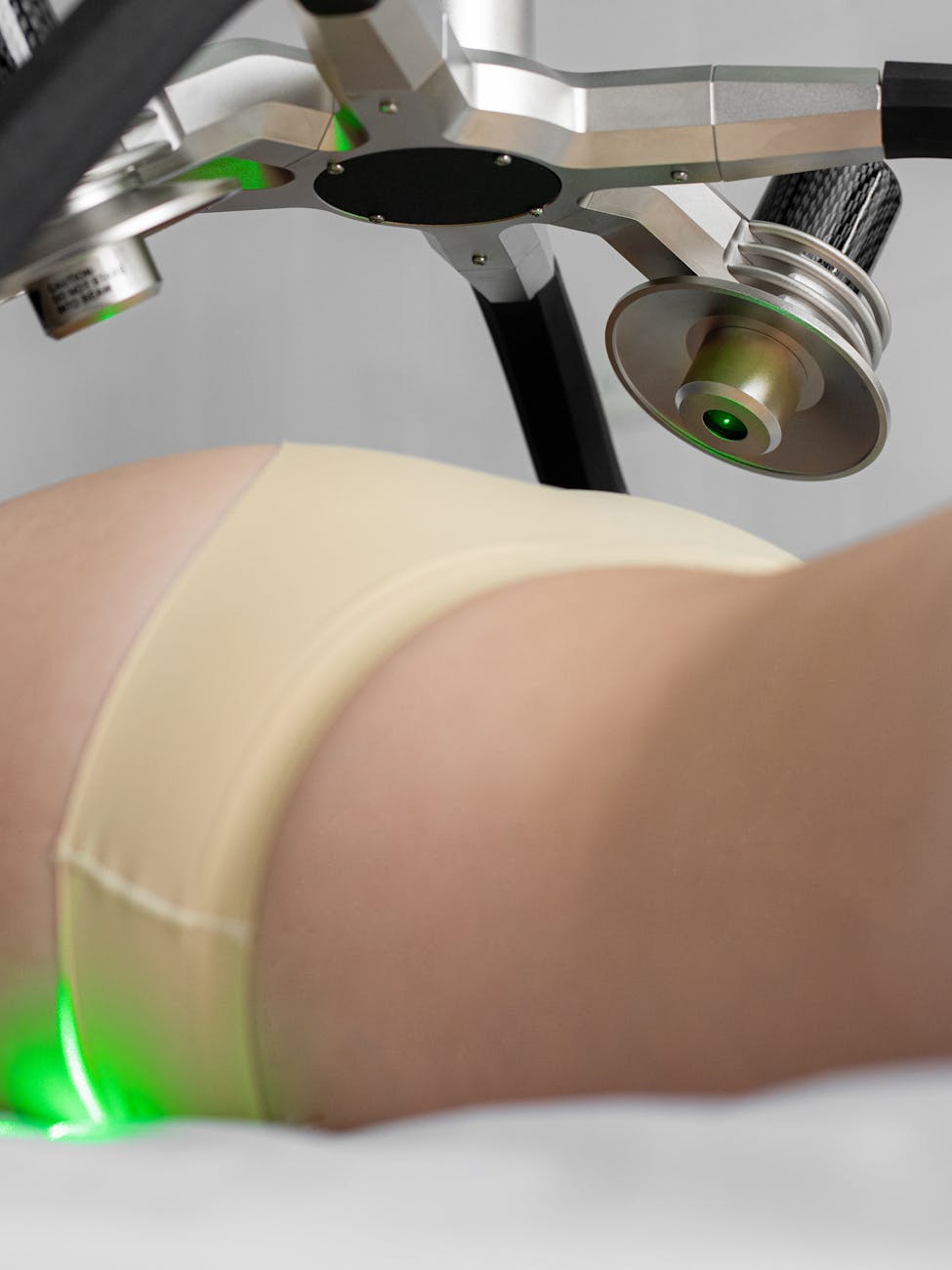
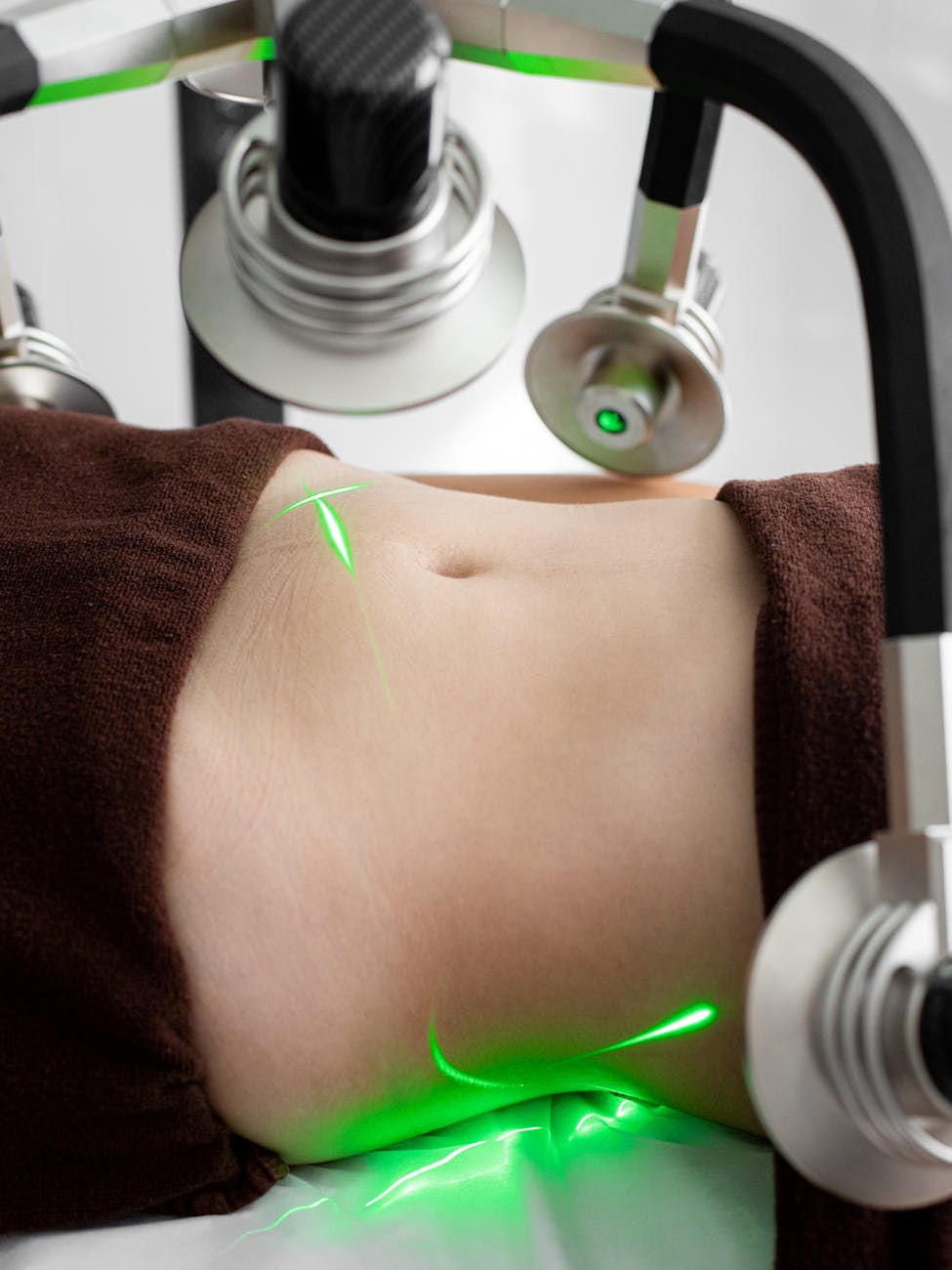
    Emsculpt Neo combines High-Intensity Focused Electromagnetic (HIFEM) technology with synchronized radiofrequency (RF) energy. During a treatment, HIFEM stimulates supramaximal muscle contractions, akin to performing thousands of intense exercises, while RF gently heats the underlying fat to induce apoptosis, or fat cell breakdown. This dual action results in simultaneous fat reduction and muscle building.

    Morpheus8 leverages fractional radiofrequency microneedling. It uses fine needles to deliver RF energy deep into the skin and subdermal tissue, stimulating collagen production and remodeling connective tissue. Clinicians widely use Morpheus8 for non-surgical skin tightening, facial contouring, and even body sculpting, particularly in areas where laxity or early signs of aging are present.

    Scientific Evidence Behind Emsculpt Neo and Morpheus8

    Clinical Efficacy of Emsculpt Neo in Fat Reduction and Muscle Hypertrophy

    Recent clinical trials have quantified Emsculpt Neo’s ability to reduce subcutaneous fat thickness by 25–30% on average while increasing muscle mass by 20–30%. A comprehensive systematic review published in 2023 reports mean muscle layer thickness increase of approximately 2 mm and fat layer reduction averaging 4.8 mm after a standard treatment protocol. These outcomes have been corroborated by board-certified physicians who note “observable improvements in fat reduction and muscle definition, emphasizing [Emsculpt Neo’s] ease, lack of downtime, and appeal as a non-surgical alternative.”

    Morpheus8 and Skin Tightening: Clinical Findings and Expert Endorsements

    Morpheus8’s efficacy in skin tightening has positioned it as a first-line non-surgical option for patients not seeking or not suitable for traditional lifts. A review of clinical studies supports its use for improving skin laxity and texture, showing significant collagen remodeling and skin firmness with minimal adverse events. Multiple experts have described Morpheus8 as the “Gold Standard” in non-surgical skin tightening, underscoring its expanding popularity in aesthetic practice.

    Safety Profile and Patient Suitability

    Both Emsculpt Neo and Morpheus8 exhibit favorable safety profiles. Side effects are generally mild and transient, typically involving temporary redness, muscle soreness (akin to a workout), or minor swelling. No incisions or anesthesia are required, and most patients return to daily activities immediately following treatment. Suitability often depends on individual goals, current body composition, and medical history. Candidates seeking moderate contouring rather than drastic weight loss or skin removal procedures benefit most from these options.

    Debunking Common Myths and Misconceptions About Non-Invasive Body Contouring

    Myth 1 – Non-Invasive Treatments Give Instant or Drama-Level Transformations

    Contrary to some marketing claims, non-invasive body contouring yields gradual, moderate enhancements, not overnight transformations. Clinical studies show that maximal results—such as the noted 25–30% fat reduction or visible skin tightening—typically emerge several weeks after completing a treatment series as the body processes fat cells or collagen remodeling occurs. Expectation management is crucial for patient satisfaction.

    Myth 2 – These Procedures Are Painful or Have Long Recovery Times

    Patient experience studies and post-treatment surveys reveal that non-invasive methods like Emsculpt Neo and Morpheus8 are generally well tolerated. Most sessions feel similar to intense muscle contractions or brief tingling heat and do not require pain medication. Recovery time is minimal, with the majority resuming routine activities immediately—substantially contrasting surgical approaches involving incisions and extended healing periods.

    Myth 3 – Non-Surgical Contouring Replaces Exercise and Diet Completely

    While Emsculpt Neo delivers significant muscle building non-invasively and Morpheus8 creates visible skin tightening, neither displaces the fundamental role of healthy lifestyle habits. Treatments are best suited for complementing consistent exercise and sound nutrition, particularly for individuals near their body shaping goals who wish to address isolated concerns. Sustainable, long-term outcomes depend on continued physical activity and weight management.

    Current Market Trends and Future Outlook of Non-Invasive Body Contouring

    Market Size and Growth Projections

    The non-surgical fat reduction segment has experienced substantial growth, valued at approximately $1.56 billion globally in 2023. Industry reports forecast continued expansion, expecting the market to reach $6.21 billion by 2032, reflecting rising patient demand and continuous innovation in body shaping technology. For detailed analysis, review the SNS Insider report.

    Factors Fueling Popularity: Consumer Preferences and Technological Advancements

    Multiple factors drive this market trajectory:

    • Growing interest in natural, subtle enhancements that avoid the downtime and risks of surgery
    • Technological advancements such as synchronized HIFEM and RF or advanced microneedling platforms improving efficacy
    • Broadening access due to procedural safety, allowing providers to treat a wider range of ages, genders, and skin types

    As awareness increases and new options enter the market, the landscape for non-invasive aesthetic treatments is expected to evolve further, focusing on customization and incremental results.

    Expert Recommendations and Patient Guidance for Selecting Non-Invasive Contouring Treatments

    Consultations and Assessment Criteria

    Board-certified medical professionals recommend comprehensive, in-person consultations as the starting point for treatment selection. During consultations, practitioners assess candidacy based on:

    • Overall health and body composition
    • Presence of contraindications (e.g., metal implants, pregnancy)
    • Specific treatment objectives (fat reduction, muscle building, skin tightening)
    • Expectations and willingness to maintain results through lifestyle

    This process ensures realistic outcomes and maximizes both safety and satisfaction. For additional tips on preparing for aesthetic procedures, see the Guide to Minimally Invasive Aesthetic Procedures.

    Setting Realistic Goals Based on Technology Limitations

    Scientific evidence underscores the importance of realistic expectations. Non-invasive body contouring delivers moderate improvements over multiple sessions, not the dramatic transformations seen with surgical body lifts or arm lift procedures. Patients pursuing treatment should recognize:

    • Magnitude of fat or muscle change is limited to physiological responses validated in clinical trials
    • Multiple sessions are usually required for optimal effect
    • Maintenance may involve periodic re-treatments and ongoing personal health commitments

    Consulting with an experienced provider helps align goals with what each body shaping technology can realistically achieve.

    Conclusion: Making Informed Decisions About Non-Invasive Body Contouring

    Non-invasive body contouring technologies like Emsculpt Neo and Morpheus8 offer scientifically validated pathways to fat reduction, muscle enhancement, and skin tightening without the demands of surgery. While the potential is significant, outcomes are inherently gradual and best suited to those seeking subtle, natural improvements. By relying on evidence-based information, seeking qualified professional guidance, and setting realistic expectations, individuals can make informed choices to optimize their confidence and results in the evolving field of non-invasive aesthetic treatments.

    For further reading on best practices and preparation, visit our How to Prepare for Your First Body Contouring Treatment page.

  • The Rise of Sculpting Over Shedding: How 2025’s Body Contouring Trends Prioritize Muscle, Skin, and Natural Curves

    The Rise of Sculpting Over Shedding: How 2025’s Body Contouring Trends Prioritize Muscle, Skin, and Natural Curves

    The landscape of body contouring is evolving rapidly as we approach 2025. Today’s trends move beyond simple fat removal, instead embracing comprehensive solutions that sculpt muscle, tighten skin, and enhance natural curves. Innovations like Emsculpt and Morpheus8 are shaping new standards, while increased interest in post-weight loss body sculpting and subtle enhancements signal a broader demand for personalized, natural-looking results. This article unpacks the latest advancements, consumer preferences, and market forces behind the rise of sculpting over shedding, helping readers navigate an expanding range of body contouring options.

    Understanding the Shift: From Fat Shedding to Sculpting in Body Contouring

    Body contouring in 2025 is witnessing a significant change. Where past decades focused primarily on fat reduction via procedures like Liposuction, there is now strong consumer interest in approaches that tone, tighten, and define. The appeal lies in achieving more athletic, natural contours, mirroring contemporary fitness ideals over the older preference for dramatic size loss. Advanced technologies and societal shifts – such as the body positivity movement and increased interest in holistic wellness – have driven this demand for synergy between fat reduction, muscle definition, and skin health.

    Limitations of Traditional Fat Reduction Procedures

    Traditional surgical options like Liposuction, Tummy tuck (abdominoplasty), Arm lift, Body lift, and Thigh lift procedures have long been used to remove stubborn fat and excess skin. While often effective, these procedures come with notable limitations:

    • Invasiveness and Recovery: Surgical approaches require anesthesia, incisions, and sometimes significant downtime for healing.
    • Fat Removal Focus: These procedures primarily eliminate fat and/or skin, often without targeting underlying muscle tone or overall body composition.
    • Potential for Scarring: Incisions can leave scars, and recovery may involve swelling, bruising, or discomfort.

    As patients increasingly seek effective solutions with minimal disruption to daily life, these limitations have opened the door to less invasive, technology-driven options.

    Consumer Preference for Natural and Athletic Body Contours

    Modern aesthetic standards prioritize body sculpting that achieves firm, toned, and proportionate results rather than simply reducing size. Patients frequently request treatments that deliver:

    • More Definition: Enhancing muscles for a firmer, lifted appearance.
    • Loyalty to Natural Curves: Avoiding an “overdone” or artificial look by shaping the body’s inherent contours.
    • Skin Quality: Tightening loose or lax skin for a smooth, youthful finish.

    These priorities have fueled the rise of new technologies and methods that integrate fat reduction with muscle-building and skin rejuvenation.

    Emerging Technologies Changing the Body Contouring Landscape in 2025

    Recent advances have delivered devices and protocols that address fat, muscle, and skin simultaneously. Non-surgical and minimally invasive approaches can now:

    • Build and define muscular tissue.
    • Reduce stubborn fat pockets.
    • Stimulate collagen for improved skin texture and tightness.
    • Personalize outcomes using AI and data analytics.

    This holistic approach is helping define the 2025 body contouring trends.

    Muscle-Building Technologies: Emsculpt and Emsculpt NEO

    Treatments like Emsculpt and Emsculpt NEO represent a new class of muscle-building body contouring devices. Using high-intensity focused electromagnetic (HIFEM) energy, these devices induce thousands of supramaximal muscle contractions, impossible to achieve through voluntary exercise alone. Emsculpt NEO enhances results by combining HIFEM with radiofrequency (RF) heating for simultaneous fat reduction and muscle toning.

    Key data highlights from DelveInsight research include:

    • 30% average fat reduction per treatment cycle.
    • 25% average muscle growth, supporting more dramatic definition.

    These figures underscore a fundamental shift from treating only fat to comprehensively sculpting the underlying musculature and overlying silhouette.

    Skin Tightening Innovations: Morpheus8 and Radiofrequency Microneedling

    Devices like Morpheus8 blend microneedling with radiofrequency to remodel both the surface and deeper layers of the skin. This marriage of technologies stimulates collagen and elastin, improving tightness, tone, and texture. For individuals experiencing laxity after significant weight loss – especially with the rising use of pharmaceutical weight loss aids – skin tightening has become integral to achieving smooth, youthful-looking contours without invasive surgery.

    Fat Transfer for Natural Curve Enhancement

    Traditional implants or fillers are being supplemented – or replaced – by autologous fat transfer, a technique that takes a patient’s own fat (often harvested by gentle liposuction), processes it, and injects it into areas needing volume. Common sites include the face, buttocks, or breasts. This approach appeals to the desire for subtle, lasting improvements that preserve and enhance the natural physique rather than creating dramatic, artificial changes.

    Integration of AI and Personalized Treatment Plans

    AI-driven assessment tools and treatment planning software now allow clinicians to analyze body composition, predict outcomes, and recommend custom combinations of fat reduction, muscle building, and skin tightening. This drives more predictable, tailored, and efficient results, reflecting broader trends toward precision medicine in aesthetics.

    The Impact of Weight Loss Medications on Body Contouring Demand

    The explosive popularity of GLP-1 receptor agonists (weight loss medications) has reshaped the field of post-weight loss body sculpting. While these drugs may help patients reduce overall fat, they often result in loose skin or stubborn localized fat – concerns that are addressed by modern body contouring protocols. As new medications gain traction, the need for technologies capable of remodeling both skin and muscle is rising, especially in high-demand demographics.

    Common Areas for Post-Weight Loss Contouring: Abdomen, Arms, and Thighs

    After substantial weight reduction, patients frequently seek solutions to address:

    • Abdomen: Excess skin and loss of definition are particularly common following rapid or significant fat loss.
    • Arms (Brachioplasty): Lax skin (“bat wings”) responds well to skin tightening and fat transfer.
    • Thighs: Loose tissue on inner and outer thighs often remains resistant to exercise alone, requiring targeted intervention.

    Technological combinations – such as RF microneedling with muscle stimulation – are increasingly recommended to restore firmness and natural body contours without the downtime of major surgery. For a deep dive into solutions for post-weight loss changes, see Post-Weight Loss Skin Tightening Treatments.

    Comparing Non-Surgical Treatments to Traditional Surgical Options

    Advances in non-surgical and minimally invasive technology have made these options more competitive with surgical procedures, though each approach carries unique benefits and drawbacks. An unbiased comparison reveals the following:

    Treatment Type Safety Effectiveness Downtime Longevity
    Non-Surgical (e.g., Emsculpt NEO, Morpheus8) Very high, few risks Good for mild-moderate contouring, muscle, and skin Little to none 6-24 months or longer with maintenance
    Surgical (e.g., Liposuction, Tummy Tuck) Generally safe in qualified hands Highly effective for fat and excess skin removal Moderate to significant Multi-year, often permanent for removed fat

    The best choice depends on goals, recovery preferences, and desired outcomes.

    Safety and Efficacy of New Technologies

    Modern muscle-building and skin-tightening devices undergo rigorous testing for efficacy and patient safety. As reviewed by DelveInsight, protocols like Emsculpt NEO minimize risks of burns or adverse events, and adverse effects are rare when performed by qualified providers. Clinical results consistently show notable improvements in body shape, with minimal side effects.

    Combining Treatments for Optimal Results

    Combining modalities – for example, alternating muscle stimulation with RF skin tightening and finishing with fat transfer – produces synergistic outcomes unattainable by single procedures. These customizable protocols offer comprehensive body sculpting without the risks of excessive intervention.

    Can Non-Surgical Devices Replace the Gym or Surgery?

    While muscle-building devices such as Emsculpt constitute a powerful adjunct to training, they are not a substitute for regular strength exercise or surgical interventions when dramatic fat or skin removal is required. These treatments can accelerate results, maintain muscle tone, or address stubborn areas, but realistic expectations are essential. Surgical procedures remain the standard for significant contour correction, especially in cases of major weight loss or extensive laxity.

    How to Maintain Body Contouring Results Long-Term

    Maintaining results following body contouring – whether non-surgical or surgical – hinges on healthy lifestyle choices:

    • Regular exercise, including both cardiovascular and strength-training elements.
    • Ongoing maintenance treatments for muscle and skin, as recommended by your provider.
    • Balanced nutrition and hydration.
    • Periodic assessment and touch-ups as necessary.

    Partnering with providers who tailor maintenance plans to your needs is key to sustaining definition and skin quality.

    Addressing Common Misconceptions About Body Contouring Procedures

    Several misunderstandings persist regarding body sculpting and contouring:

    • “All procedures are invasive”: In fact, most of the growth in 2025 comes from non-surgical body contouring options with negligible downtime.
    • “Results require long recovery”: Contemporary technologies allow patients to resume normal activity almost immediately in most cases.
    • “Non-surgical can’t deliver real results”: Market data and clinical findings corroborate meaningful improvements, especially for mild to moderate concerns.

    Education around available modalities and setting realistic expectations are central to patient satisfaction.

    Market Growth and Future Outlook for Body Contouring Technologies

    The global demand for non-surgical and minimally invasive contouring is reflected in robust industry expansion. Driven by consumer demand and rapid innovation, the market outlook for body contouring remains extremely positive through the end of the decade.

    Market Size and Revenue Growth of Body Contouring and Muscle Stimulation Devices

    According to Grand View Research, the body contouring devices market is projected to reach USD 3.86 billion by 2030, up from USD 1.5 billion in 2023. In the segment of electrical muscle stimulation (EMS), revenue is forecasted to grow from USD 750 million in 2024 to USD 1.22 billion by 2034. Such data underscore how advanced, multi-functional devices are reshaping aesthetic medicine worldwide.

    Expert Perspectives on the Future of Body Contouring

    As highlighted in a Dermatology Times expert roundtable, “The combination of non-invasive technology, minimal downtime, and increasingly personalized treatment approaches has positioned body contouring as one of the fastest-growing segments in aesthetic medicine.” The continued integration of AI, improved protocols, and patient-centered planning are expected to further accelerate growth and innovation.

    Summary: Choosing the Right Body Contouring Option in 2025

    Individuals considering body sculpting in 2025 have more tailored options than ever, from non-surgical treatments that build muscle and tone skin to combination therapies and refined surgical interventions. Forward-thinking trends favor subtle, athletic contours achieved with safe, effective methods and minimal recovery. In selecting an approach, consider the specific goals – such as muscle definition, skin tightening, or volume restoration – desired downtime, and safety profile. Reviewing clinical evidence and consulting qualified providers ensures results align with personal expectations and long-term health. For more information on current procedures and developments, visit our Non-Surgical Cosmetic Procedures Guide.

  • Body Contouring After Weight Loss Medication: Navigating Loose Skin and New Solutions

    The rise of GLP-1 weight loss medications is transforming the landscape of medical aesthetics. As millions experience significant weight reduction from drugs like Ozempic and Wegovy, a new concern is coming to the forefront: loose or excess skin. This has sparked a surge in interest around body contouring after weight loss medication, as both patients and providers seek effective solutions to complete the transformation.

    Understanding the Impact of GLP-1 Weight Loss Medications on Body Composition

    What Are GLP-1 Weight Loss Medications and How Do They Work?

    GLP-1 (glucagon-like peptide-1) receptor agonists, including well-known brands such as Ozempic and Wegovy, are prescription medications initially developed to manage type 2 diabetes. More recently, these drugs have garnered widespread attention for their effectiveness in promoting significant weight loss. GLP-1 medications work by mimicking a hormone that regulates appetite, leading to decreased food intake, increased satiety, and ultimately, loss of body weight.

    Usage of GLP-1 drugs has grown rapidly; recent data shows that approximately 12% of U.S. adults have used a GLP-1, with about 6% currently taking these medications. The typical patient experiences weight loss between 11% and 30% of their initial body weight, a substantial reduction that often introduces new body composition challenges, particularly in skin elasticity.[1]

    Rapid Weight Loss and Resulting Loose Skin: Causes and Concerns

    When weight loss occurs at a rapid pace, as commonly seen with GLP-1 medications, the skin may not adapt quickly enough to the changing contours of the body. Human skin relies on collagen and elastin fibers to maintain its structure and resilience. Extended periods of stretching – due to excessive weight – can weaken these fibers. When significant fat volume is lost quickly, the skin often lacks the elasticity needed to retract, resulting in loose, hanging folds.

    Several factors influence the severity of loose skin after weight loss, including:

    • Age: Older skin is less elastic and recovers more slowly.
    • Amount and speed of weight loss: Rapid or significant reductions increase risk of excess skin.
    • Genetic factors and skin quality: Genetics, sun exposure, and lifestyle all affect skin integrity.

    These concerns are leading more individuals to explore solutions for GLP-1 weight loss medication loose skin and comprehensive approaches to body reshaping.

    The Growing Demand for Body Contouring After GLP-1–Induced Weight Loss

    Market Growth and Key Statistics on Body Contouring Procedures

    The demand for body contouring after weight loss medication is escalating at an unprecedented rate. According to market research, the global body contouring market is projected to reach $11 billion by 2030, with non-invasive procedures accounting for a major share of this growth.[1]

    A significant driver is the increasing number of people using GLP-1 drugs and the substantial weight loss they deliver. Surveys indicate that 61% of GLP-1 patients have shed between 11% and 30% of their body weight, intensifying the demand for both surgical and non-surgical body contouring options.[2]

    Expert Perspectives on the Changing Aesthetic Industry Landscape

    Industry leaders have noted that this shift represents a substantial transformation for aesthetics practices. As one analysis from McKinsey & Company states, “The rapid adoption of GLP-1s is reshaping the aesthetics industry, with a new influx of patients who were not previously interested in aesthetic treatments. Providers need to adapt to meet the evolving needs of these patients.” This trend is prompting clinics to expand their offerings and expertise, ensuring their approaches align with the unique needs of GLP-1 patients.

    Common Body Contouring and Skin Tightening Options After Weight Loss

    Surgical Body Contouring Procedures: What to Expect

    Surgical body contouring is often recommended for individuals with moderate to severe loose skin following major weight loss. The most common surgical procedures include:

    • Abdominoplasty (Tummy tuck): Removes excess skin and tightens abdominal muscles for a smoother, firmer midsection.
    • Arm lift (Brachioplasty): Reshapes the upper arms by excising loose skin and tightening underlying tissue.
    • Thigh lift: Eliminates excess skin and fat from the inner or outer thighs for improved contour.
    • Body lift: Comprehensive procedures tackling loose skin on multiple areas – abdomen, buttocks, and thighs.
    • Liposuction: Targets stubborn fat deposits for more refined body sculpting, though it is not a primary solution for skin laxity.

    These surgical options offer transformative results but also involve longer recovery periods and higher costs compared to non-surgical treatments. Surgeons typically recommend waiting until weight has stabilized before pursuing surgery for the best and safest outcomes.

    Non-Surgical and Minimally Invasive Skin Tightening Treatments

    For those with mild to moderate skin laxity, or for patients seeking less invasive solutions, several non-surgical skin tightening options are available. These include:

    • Radiofrequency (RF) treatments: Use heat to stimulate collagen and elastin production, resulting in tighter skin over time.
    • Ultrasound therapies: Deliver targeted energy beneath the skin to prompt tissue contraction and remodelling.
    • Laser therapies: Heat layers of the skin to boost collagen synthesis and skin firmness.
    • Injectable treatments: Certain fillers may offer temporary improvement in select areas, though less commonly for large-volume laxity.

    These procedures generally involve minimal downtime and lower procedural risk. However, results are typically modest compared to surgery and may require repeated sessions. Industry analysis suggests non-surgical body contouring is especially appealing to patients prioritizing convenience and reduced recovery time.

    Factors to Consider When Choosing Between Surgical and Non-Surgical Options

    The optimal body contouring approach depends on several individual factors:

    • Degree of skin laxity: Surgical options are more effective for extensive loose skin, while non-surgical methods suit mild to moderate cases.
    • Personal health and medical history: Some patients may not be surgical candidates due to health concerns.
    • Recovery time: Surgeries usually require longer healing, while non-invasive options offer quicker return to daily life.
    • Cost: Surgical procedures generally involve higher upfront costs; non-surgical treatments may require multiple sessions to maintain results.
    • Desired outcome: Surgery typically yields more dramatic results; non-surgical options offer subtle enhancements.

    A board-certified cosmetic surgeon or experienced medical aesthetics provider can assess your goals and help create a personalized treatment plan.

    For more information, visit our About Us page.

    Preparing for Body Contouring After Weight Loss Medication

    Timing of Procedures Post-Weight Loss Medication

    Proper timing is crucial to maximize both safety and efficacy in body contouring after weight loss medication use. Experts recommend that patients:

    • Wait until their weight has stabilized for at least 3-6 months after reaching their target weight. This reduces the risk of additional skin laxity post-procedure.
    • Consult their healthcare provider about when to discontinue GLP-1 medications, as some surgical procedures may require stopping the drug to decrease anesthesia or wound healing risks.
    • Work with their medical team to ensure all nutritional and health parameters are optimal before undergoing any elective procedure.

    This careful planning helps prevent complications and sets realistic expectations for final outcomes.

    Selecting Qualified Providers and Establishing Realistic Goals

    Choosing the right provider is essential for both safety and satisfaction. Key considerations include:

    • Only seek care from board-certified surgeons or reputable medical aesthetic clinics with extensive experience in post-weight loss body contouring.
    • Schedule a comprehensive consultation to discuss your goals, options, and any medical considerations related to previous or ongoing GLP-1 medication use.
    • Be candid about your expectations and open to professional guidance regarding what results are achievable based on your skin quality, age, and other factors.

    Future Trends and Innovations in Body Contouring for GLP-1 Patients

    Advances in Non-Invasive Technologies

    The body contouring field is rapidly evolving, with new innovations poised to benefit GLP-1 patients seeking skin tightening after weight loss. Trends shaping the industry over the next 3-5 years include:

    • Combination therapies: Merging modalities like RF and ultrasound for enhanced tightening without increased downtime.
    • AI-guided treatments: Utilizing artificial intelligence for customized treatment planning and outcome prediction.
    • Enhanced recovery protocols: Integrating advanced wound care, nutritional optimization, and technology for quicker, safer recovery.

    These advances stand to improve both patient outcomes and overall satisfaction, as detailed by the American Board of Cosmetic Surgery and leading industry reports.

    The Role of Telemedicine and Patient Education in Aesthetic Planning

    Telemedicine is playing an increasing role by making consultations more accessible and efficient. Digital platforms now allow patients to:

    • Receive expert guidance and procedural planning remotely.
    • Access educational resources tailored to their situation.
    • Engage in ongoing follow-up, reducing barriers to care and increasing satisfaction.

    Enhanced education also empowers patients to make informed decisions about their body contouring journey and to align their expectations with evolving options in both surgical and non-surgical care.

    Summary and Actionable Advice for Patients Considering Body Contouring

    The surge in GLP-1 weight loss medications has created exciting opportunities for personal transformation – and new challenges, particularly around managing loose skin. With body contouring after weight loss medication becoming a growing need, patients can choose from both surgical and non-surgical options suited to their unique situation. The market is expanding, technologies are advancing, and qualified aesthetic providers are adapting to help patients achieve lasting, satisfying outcomes.

    Thoughtful preparation, clear communication, and realistic goal-setting are key to success. Selecting a qualified provider and understanding the full range of procedures will help safeguard both your health and your desired results.

    Key Questions to Ask Your Provider

    • Am I a suitable candidate for surgical or non-surgical body contouring after GLP-1 weight loss?
    • What outcomes can I realistically expect, and over what timeline?
    • Are there specific risks due to my use of weight loss medications?
    • How long is the expected recovery period, and what is involved?
    • What are the total costs, including any recommended post-procedure care?

    For a more comprehensive overview of these solutions, you may also be interested in our Comprehensive Guide to Non-Surgical Body Contouring Procedures.

    Staying informed and working closely with experienced providers is the best path toward safe and satisfying body sculpting outcomes after GLP-1 induced weight loss.

  • Why Younger Patients Are Driving the Boom in Natural-Looking Eyelid Surgery — What You Need to Know for 2025

    Eyelid surgery, or blepharoplasty, is no longer viewed as a procedure reserved for older adults seeking to turn back the clock. Today, a growing number of patients in their 30s and 40s are pursuing natural-looking eyelid surgery to subtly rejuvenate their appearance without overt or dramatic changes. This shift toward early intervention reflects wider societal trends, with social media playing a significant role in shaping how younger adults perceive and approach cosmetic procedures. As we move into 2025, understanding why this trend is gaining momentum – and what it means for prospective patients – is essential for anyone considering an eyelid lift or seeking insights into modern aesthetics.

    Overview of Eyelid Surgery (Blepharoplasty) and Its Growing Popularity Among Younger Adults

    Blepharoplasty refers to surgical procedures designed to improve the appearance or function of the eyelids. Historically associated with more mature patients, eyelid lifts are now increasingly popular among younger adults seeking subtle, preventative forms of eye rejuvenation. According to recent reports, this expansion in patient demographics coincides with a broader shift toward less invasive, natural outcomes in facial cosmetic surgery. The procedure appeals to those aiming to refresh their look or address early signs of aging, such as puffiness or mild drooping, before these concerns become pronounced.

    What is Blepharoplasty? Types and Purpose

    Blepharoplasty can be performed on the upper eyelids, lower eyelids, or both, depending on individual needs:

    • Upper eyelid surgery focuses on correcting excess skin, sagging, or drooping that may create a tired or aged appearance. It can also improve vision if loose skin interferes with eyesight.
    • Lower eyelid surgery targets puffiness, under-eye bags, and fine wrinkles by removing or redistributing excess fat and skin.

    The overall goal is a refreshed, rested, and youthful appearance without altering the innate characteristics of the eyes. For many younger patients, blepharoplasty serves as a means of early intervention, helping to prevent the progression of age-related changes while maintaining facial harmony.

    Trends Showing a Decrease in Average Patient Age

    Recent data from the American Society of Plastic Surgeons indicates a marked increase in blepharoplasty among individuals in their 30s and 40s. This trend is substantiated by the National Center for Biotechnology Information (NCBI), which notes a steady decline in the average age of eyelid surgery patients. Younger adults today are more likely than previous generations to consider procedures like eyelid surgery for maintenance rather than transformation, highlighting a proactive approach to aesthetics.

    Factors Driving the Trend Toward Natural-Looking Eyelid Surgery in Younger Patients

    The surge in eyelid surgery among younger populations is rooted in evolving cultural norms and shifting expectations regarding cosmetic enhancement. Several key factors underpin this change, including the influence of social media, the appeal of preventative rejuvenation, and a distinct preference for understated results.

    Influence of Social Media and Celebrities

    Platforms such as TikTok and Instagram have had a profound impact on how cosmetic procedures are perceived, discussed, and sought after. Viral content often highlights patient experiences, before-and-after outcomes, and the importance of retaining one’s unique features. The increased transparency from both influencers and celebrities has demystified procedures like blepharoplasty, encouraging open dialogue and reducing stigma. According to published findings, social media not only informs patient preferences but also amplifies trends toward more natural enhancements, as individuals share their desire for subtle outcomes with minimal visible signs of surgery.

    Preventative Rejuvenation: Early Intervention Benefits

    Younger patients are increasingly adopting a preventative mindset when it comes to facial aging. Rather than waiting until signs of droopiness or bagginess become severe, many opt for early intervention to maintain a refreshed look. This approach is associated with less extensive surgical needs, more subtle outcomes, and a smoother recovery. By addressing changes before they become deeply set, preventative eyelid surgery offers long-lasting yet unobtrusive results, aligning perfectly with wellness-oriented values prevalent among this demographic.

    Avoiding the “Overdone” Look: Millimeter-Precise Enhancements

    Contemporary patients want personalized enhancements that do not overshadow their natural features. The previous era’s “cat-eye” or “overfilled” look is falling out of favor. Facial plastic surgeons now report that millimeter-precise surgical planning and execution are top priorities for younger blepharoplasty candidates. As Dr. Mark Spiegel, Facial Plastic Surgeon, observes, “The goal is often to achieve a refreshed appearance without looking overly done or surgical.” Meticulous technique ensures that results are both subtle and harmonious, reflecting natural eye anatomy.

    Common Concerns and Questions Among Younger Patients Considering Eyelid Surgery

    With new patient demographics come new questions and anxieties. Younger adults considering blepharoplasty often share specific concerns about what natural results look like, what recovery entails, and whether the procedure might permanently change their eye shape. Addressing these FAQs can help patients make informed, confident decisions.

    What Does Natural-Looking Eyelid Surgery Really Mean?

    Natural-looking eyelid surgery focuses on enhancing rather than transforming the face. The aim is to:

    • Restore a rested, alert appearance without obvious surgical changes
    • Respect natural anatomical contours and facial proportions
    • Minimize visible scarring and preserve personal expression

    A properly performed eyelid lift blends seamlessly with the patient’s overall look, so friends and colleagues may notice a fresher appearance rather than suspecting a procedure has been done.

    Recovery Time and Downtime Expectations

    Recovery time remains a critical concern, especially for younger individuals balancing professional and personal obligations. Typically:

    • Initial swelling and bruising subside within 7-10 days
    • Most patients return to work or daily activities after 10-14 days
    • Final results are apparent within several weeks to a few months as residual swelling resolves

    Following post-operative instructions – such as cold compresses, head elevation, and limited physical activity – can help minimize downtime. Surgeons increasingly employ advanced, tissue-sparing techniques to further reduce recovery time.

    Myths Around Permanent Changes to Eye Shape

    One frequent misconception is that blepharoplasty will permanently alter the eye’s basic shape or affect natural expressions. In reality, when performed by a qualified specialist, the procedure is designed to enhance existing contours while preserving the patient’s unique look. Permanent or dramatic changes to eye shape are rare in modern, natural-looking eyelid surgery.

    Combining Eyelid Surgery With Other Procedures for Balanced Facial Harmony

    A growing number of younger patients are exploring combination procedures, such as an upper blepharoplasty paired with a brow lift. This trend is informed by the pursuit of comprehensive, balanced results that address overall facial aging and maintain aesthetic harmony.

    Benefits of Combined Procedures

    Combining treatments offers several advantages:

    • Improved facial symmetry and proportionality
    • Addressing multiple concerns in one surgical session, reducing total downtime
    • More natural, cohesive results versus isolated procedures

    For example, pairing an upper eyelid lift with a conservative brow lift can refresh the eye area while avoiding excessive correction or telltale signs of surgery. This approach is especially favored by younger demographics who seek real but undetectable improvements.

    Consultation and Personalized Treatment Planning

    Every patient’s anatomy and aesthetic goals are unique. A thorough preoperative consultation allows the surgeon to:

    • Assess eyelid structure, brow position, and facial proportions
    • Discuss realistic expectations and desired outcomes
    • Create a tailored surgical plan for optimal natural-looking results

    Choosing a plastic surgeon skilled in both eyelid and brow procedures is crucial to maintaining facial harmony and achieving subtle blepharoplasty results. For more insights on individualized surgical approaches, see our guide on Choosing the Right Facial Plastic Surgeon for Natural Results.

    What to Expect When Considering Eyelid Surgery in 2025

    The evolving landscape of cosmetic surgery places natural aesthetics and patient safety at the forefront. If you are considering blepharoplasty in the coming year, carefully evaluating the following considerations can help set you on the path to satisfying results.

    Choosing a Qualified Facial Plastic Surgeon

    Selecting a board-certified, experienced plastic surgeon is crucial for ensuring precise outcomes. Look for practitioners who specialize in facial procedures and have a proven record of delivering subtle, harmonious results – particularly those attuned to the latest blepharoplasty trends for younger patients. Prioritize a surgeon who values open discussion about goals and realistic outcomes.

    Latest Techniques and Technology Supporting Natural Results

    Recent advancements have enhanced both the safety and efficacy of eyelid surgery. Surgeons now utilize:

    • Microsurgical instruments for millimeter-precise corrections
    • Techniques that prioritize tissue preservation and natural eyelid contours
    • Enhanced anesthesia and suture systems for faster healing and reduced scarring

    These developments further support the demand for quick recovery and minimally invasive approaches among younger patients.

    Cost Considerations and Insurance Coverage

    Blepharoplasty is typically considered a cosmetic procedure. However, if eyelid drooping impairs vision, some insurance providers may offer partial coverage. Out-of-pocket costs will vary based on the complexity of the procedure, the surgeon’s experience, geographical location, and whether other facial procedures are performed concurrently. Discuss all costs, financing options, and potential coverage with your surgeon during the consultation.

    Summary and Key Takeaways for Younger Patients Considering Eyelid Surgery in 2025

    The steady growth in natural-looking eyelid surgery among younger adults is reshaping the field of facial cosmetics. With the influence of social media, an emphasis on preventative care, and a clear preference for refined, undetectable improvements, today’s blepharoplasty patients are better informed and more discerning than ever. Modern techniques allow for millimeter-precise corrections that refresh without transforming the eyes, and combination approaches such as pairing upper eyelid surgery with brow lifts further optimize outcomes. Choosing a qualified specialist, understanding the realistic scope of surgery, and prioritizing facial harmony are key steps to achieving success in 2025’s aesthetic landscape. For those contemplating their options, staying informed of current trends and debunked myths supports confident and satisfying decisions.

  • Consumed into apathy

    The greatest love story of all time was never documented. There was no one to witness it because they never met.

    What is the opposite of attention?

    If “attention is consumption”, then what is the opposite of consumption?

    You might say it’s “creation” – but is it fair to call creation the opposite of attention? Creation is not the absence of attention. It’s a different form of it – a spotlight shining outward, focusing on something else.

    Is it “neglect”? Neglect is just a failure of attention. It’s a state of it, not its opposite.

    If light is the opposite of darkness, yet darkness is merely the absence of light – can we then say that the opposite of attention is indifference, an absence of desire?

    For there to be an attention – there has to be a desire.

    For there to be a consumption – there has to be a desire.

  • Ok, I’ll bite

    As Dr. John handed little Susie her pain medicine, he couldn’t help but wonder – was he helping her, or was he merely tricking her body?

    Look at it.

    Smell it.

    Lick it.

    Bite it.

    Devour it.

    That’s what I would do when faced with an unknown consumable.

    In marketing we talk a lot about funnels. So what is it that we’re funnelling? I nominate your target’s attention.

    Attention is consumption and consumption requires effort. For consumption to be attractive – the yield of consumption must be bountiful. To optimize this yield – maximize the output (what the target gets) and minimize the effort (what the target invests).

    You want attention? The easiest forms of consumption are the ones that require the least amount of effort. Does it look good? Does it sound good? Does it pass the “smell test”?

    Proceed accordingly every step of the way.

    Chop it up for your target’s consumption – make it easy, make the bites smaller.